


Railway
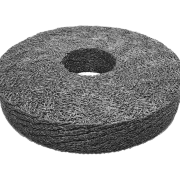
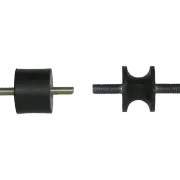
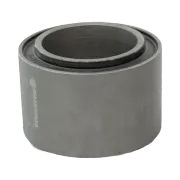
Floating floors, tables and seats, toilet modules, air conditioning, doors, generator sets and bogies of trains, and floating track slabs.
Points on the drawing
Listen to the train
Play the train and hear what the mounts take out.
Noise reduction
– dB(A)
The floating-floor mounts remove the rumble from the track. The air whistle stays.
A train passes every 12 seconds. The floating track slab keeps the rumble out of the building.
Best with headphones. Sound synthesised from typical spectra, not a recording.
1Floating floor
The problem
At speed, the powertrain and the track send vibration into the coach floor. Passengers feel it underfoot and hear it as a constant hum.
What we fit
All-metal floating-floor mounts under the floor panels, which also take up installation tolerances. On the Frecciarossa 1000 each one weighs 220 g against the 305 g allowed.
Typical choice
Proven on high-speed trains: Bombardier (2018), floating floor in high-speed trains.
The final choice depends on the load per mount, the speed and the environment. An engineer confirms it with you.
2Tables & seats
The problem
At high speed, air resistance makes the coach body vibrate. Seats and tables are fixed to the floor and the walls, so they pass that vibration on to the passengers who sit and lean on them.
What we fit
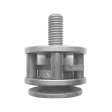
A small all-metal damper designed for tables and seats, between them and the coach structure: the vibration stops there and the journey is more comfortable.
Typical choice
The final choice depends on the load per mount, the speed and the environment. An engineer confirms it with you.
3Roof air conditioning
The problem
The air-conditioning unit on the roof runs fans and compressors right above the passengers. Without isolation, its vibration comes down through the roof structure.
What we fit
The same all-metal mounts as the floating floor, sized for the weight of the unit.
Typical choice
The final choice depends on the load per mount, the speed and the environment. An engineer confirms it with you.
4Toilet module
The problem
The toilet module is a heavy, self-contained unit. Fixed rigidly to the floor and walls, it rattles with the coach and the noise carries into the saloon.
What we fit
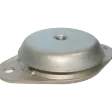
All-metal oval-base silentblocks that isolate the module at the floor and at the walls: a quieter, more comfortable coach, and pipework protected from vibration.
Typical choice
Proven on high-speed trains: ALSTOM (2013), toilet cabins in high-speed trains.
The final choice depends on the load per mount, the speed and the environment. An engineer confirms it with you.
5Doors & fans
The problem
Door drives and fans start, stop and run thousands of times a day. Each cycle sends knocks and vibration into the body shell.
What we fit
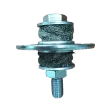
Fully metallic suspensions that work in compression and tension, and also in torsion.
Typical choice
The final choice depends on the load per mount, the speed and the environment. An engineer confirms it with you.
6Floating track slab
The problem
Every train shakes the ground as it passes. The vibration travels through the soil into nearby buildings, where it is felt and heard as a low rumble: a problem for hospitals, laboratories, concert halls and homes next to the line.
What we fit
The track rests on a concrete slab that floats on springs with built-in metal dampers, physically separated from the ground and from the platform. The springs isolate, the dampers stop the slab bouncing, and the vibration stays in the slab instead of reaching the foundations.
Typical choice
 SilentRail, railway floating slab
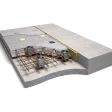 Anti-vibration floating slab1–4.5 Hz
 Single anti-vibration springs5–730 kg · 3–9 Hz
The final choice depends on the load per mount, the speed and the environment. An engineer confirms it with you.
7Generator set
The problem
The auxiliary generator set hangs under the floor. Its engine runs for hours and shakes the underframe, and that vibration reaches the whole coach.
What we fit
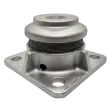
S402 all-metal mounts, in stainless or painted steel, working in compression and tension: they isolate the generator and hold it if the coach jolts.
Typical choice
The final choice depends on the load per mount, the speed and the environment. An engineer confirms it with you.
8Bogie joints
The problem
The bogie takes every load from the track. Rubber or greased joints wear out, and the shocks reach the bearings.
What we fit
A patented all-metal flexible joint that works under axial and radial forces and gives the bogie a little elasticity to protect its bearings.
Typical choice
The final choice depends on the load per mount, the speed and the environment. An engineer confirms it with you.
35 products
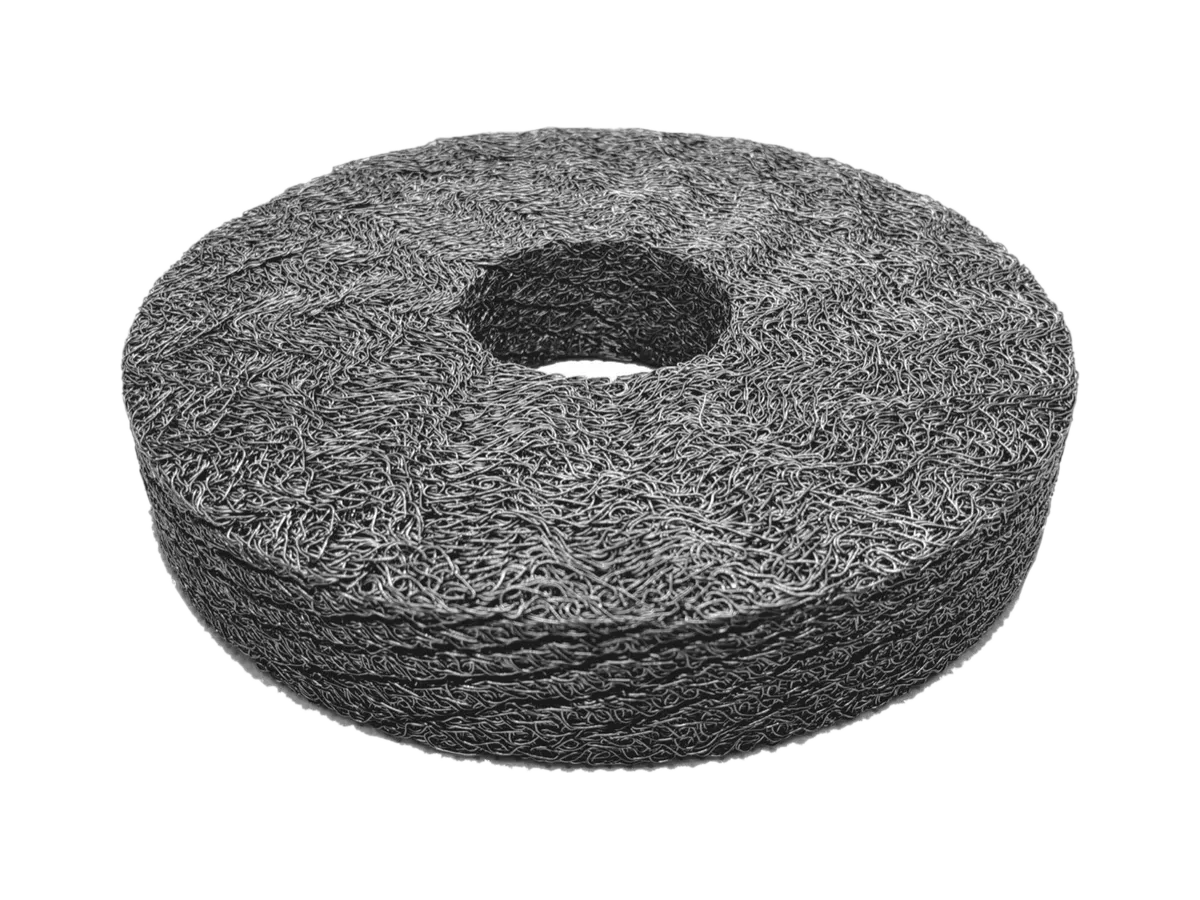
Anti-vibration metal cushion
- Load
- 0–3,000 kg
- Nat. freq.
- 10–35 Hz
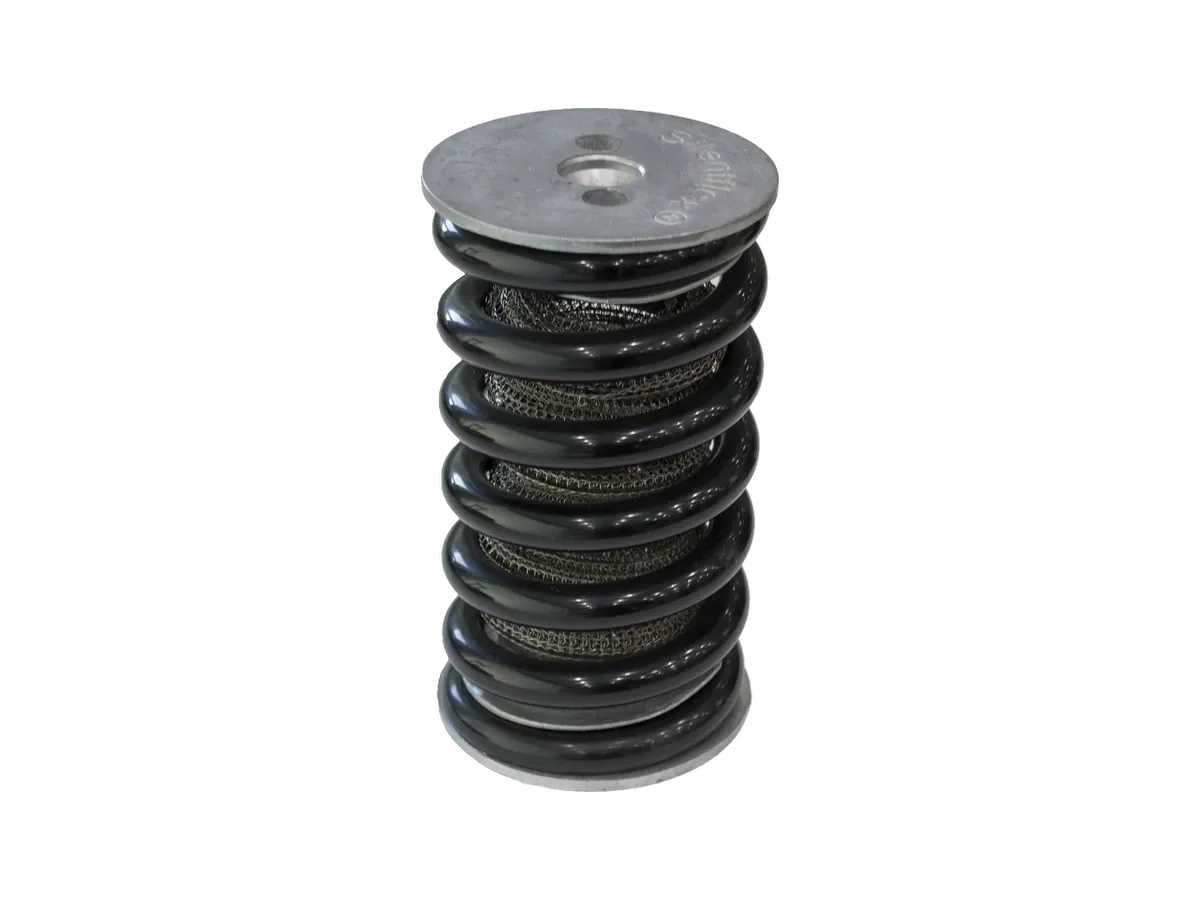
Single anti-vibration springs
- Load
- 5–730 kg
- Nat. freq.
- 3–9 Hz
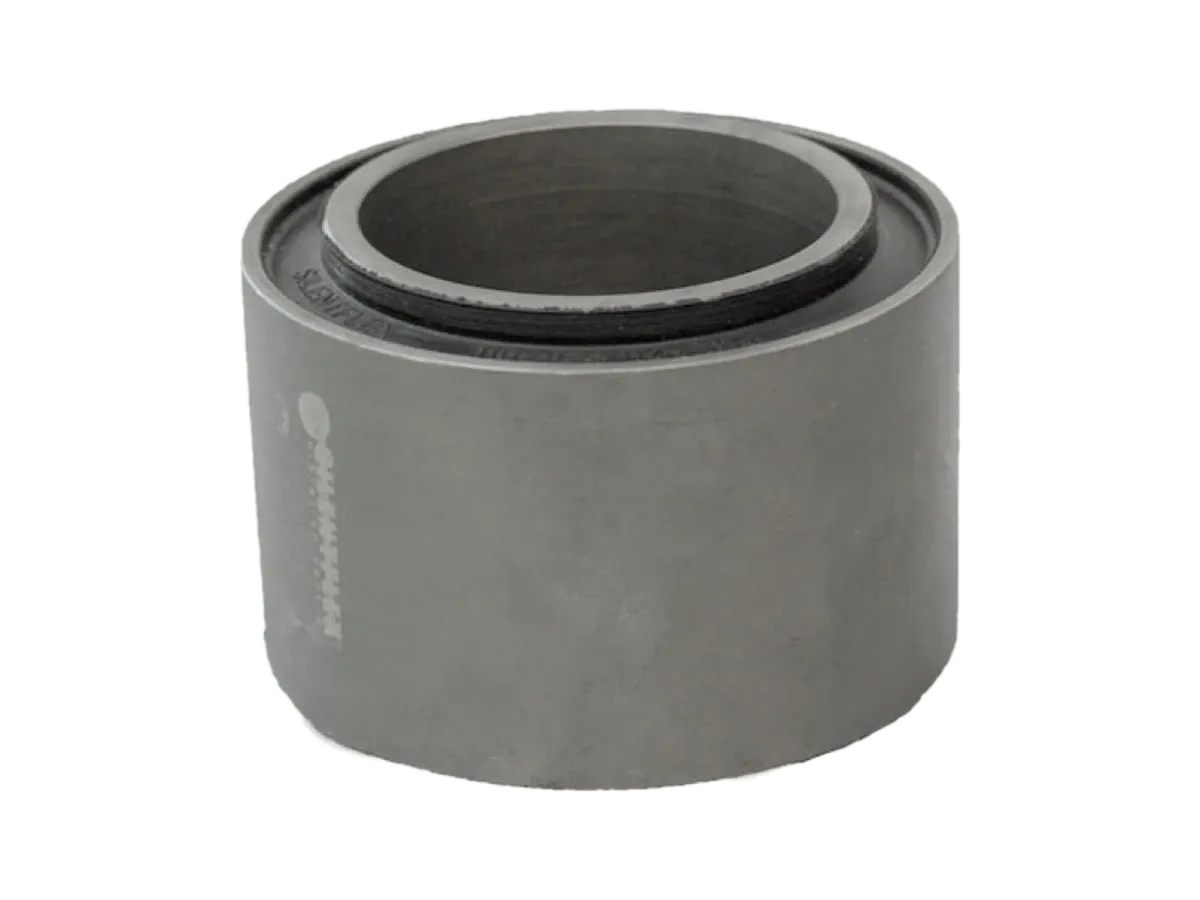
Elastic joint (silentbloc bush)
- Load
- on request
- Nat. freq.
- 8 Hz
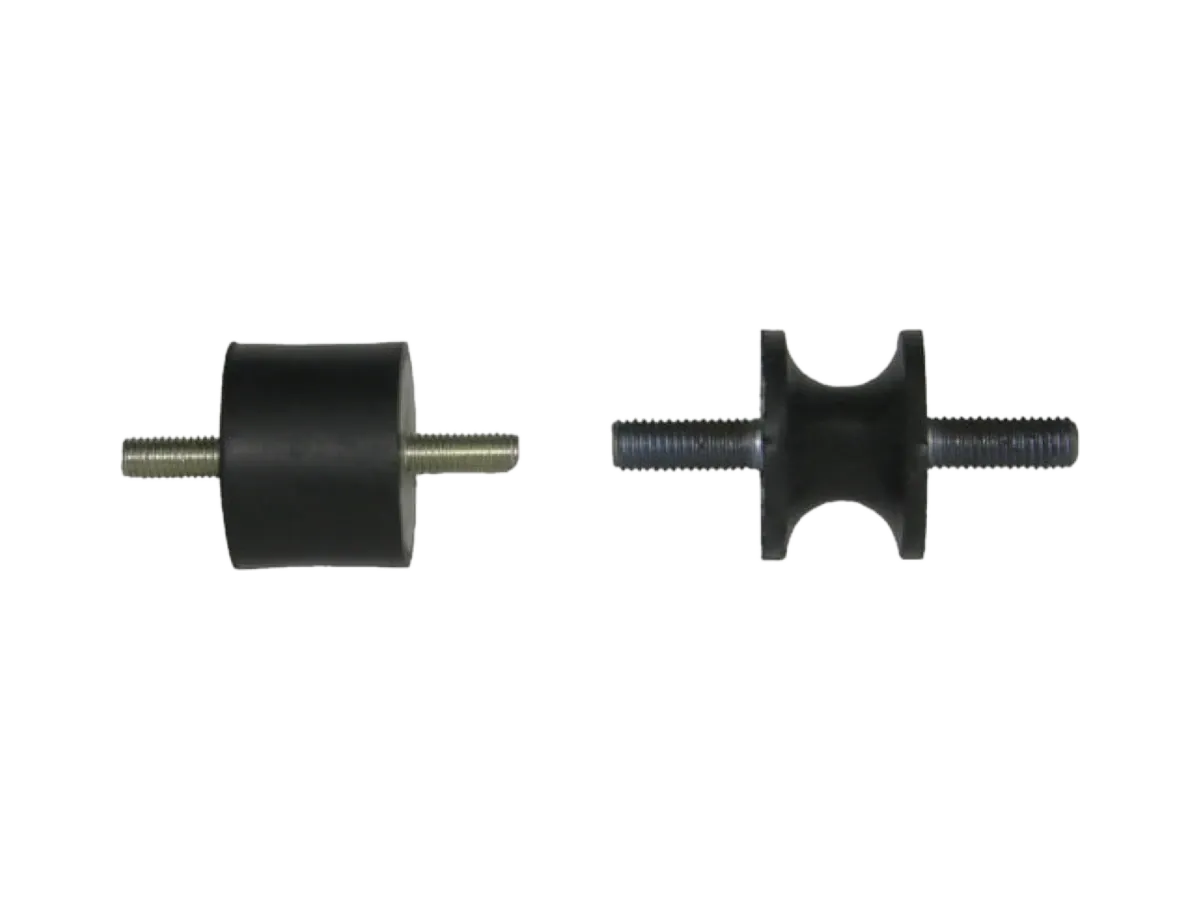
Cylindrical rubber mounts
- Load
- 1–1,100 kg
- Nat. freq.
- 8 Hz
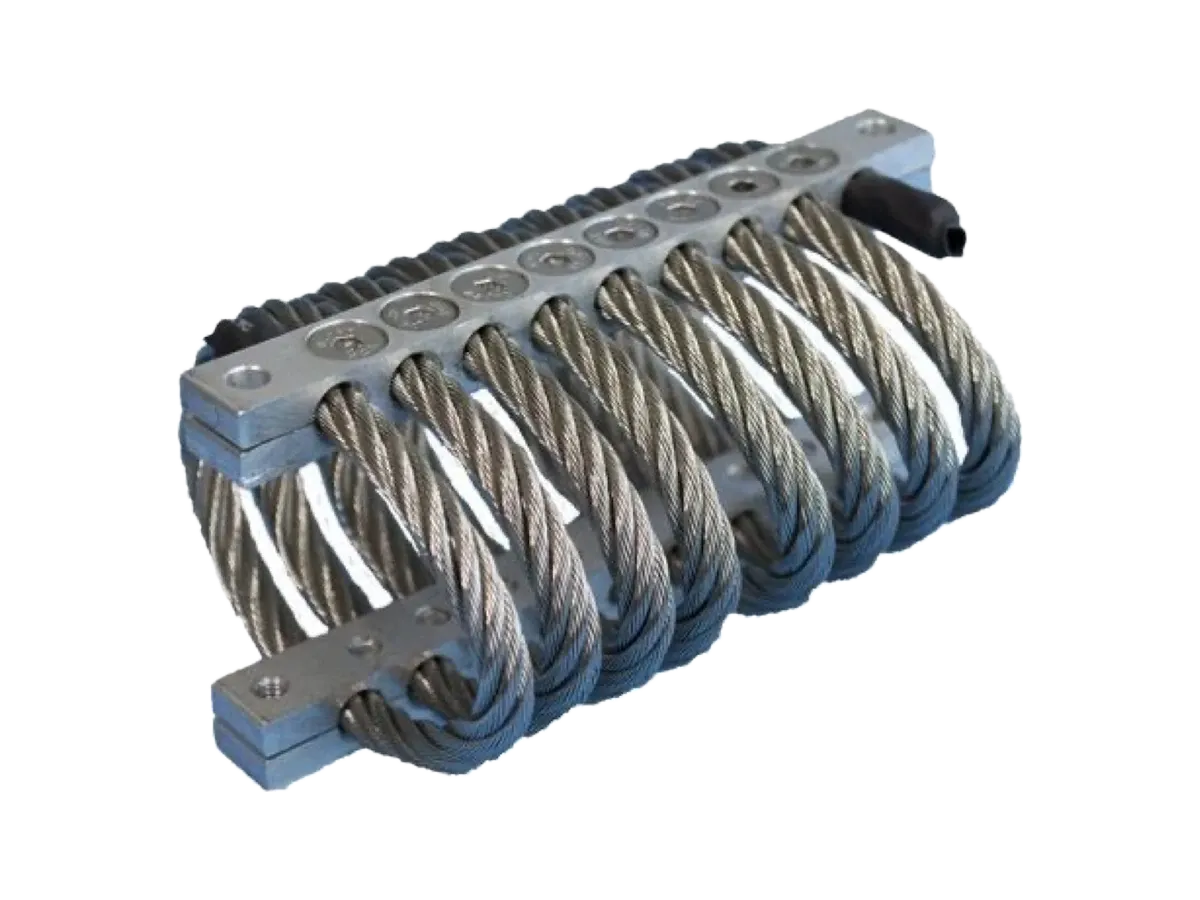
Wire rope isolators
- Load
- 5–1,000 kg
- Nat. freq.
- 7–15 Hz
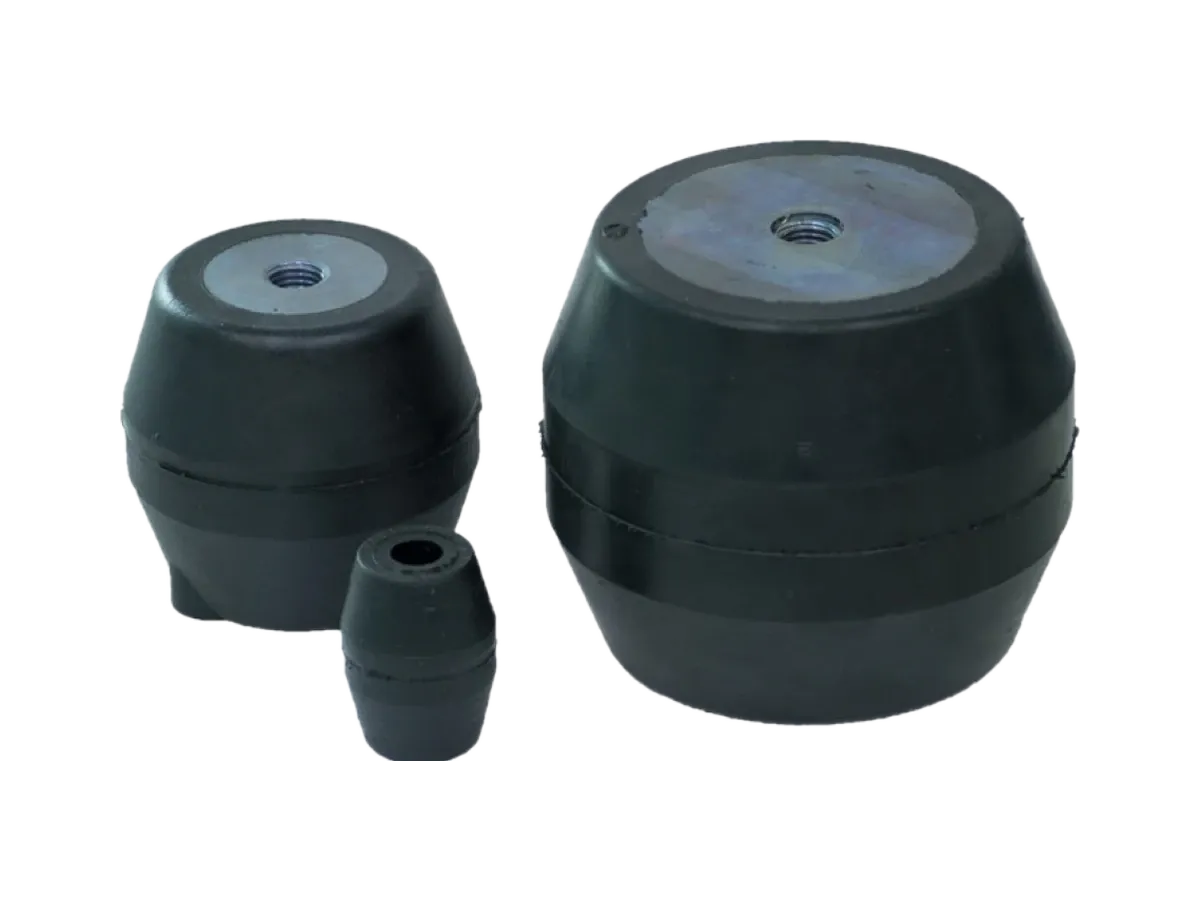
Rubber buffer
- Load
- 5–14,000 kg
- Nat. freq.
- 2.5–7 Hz
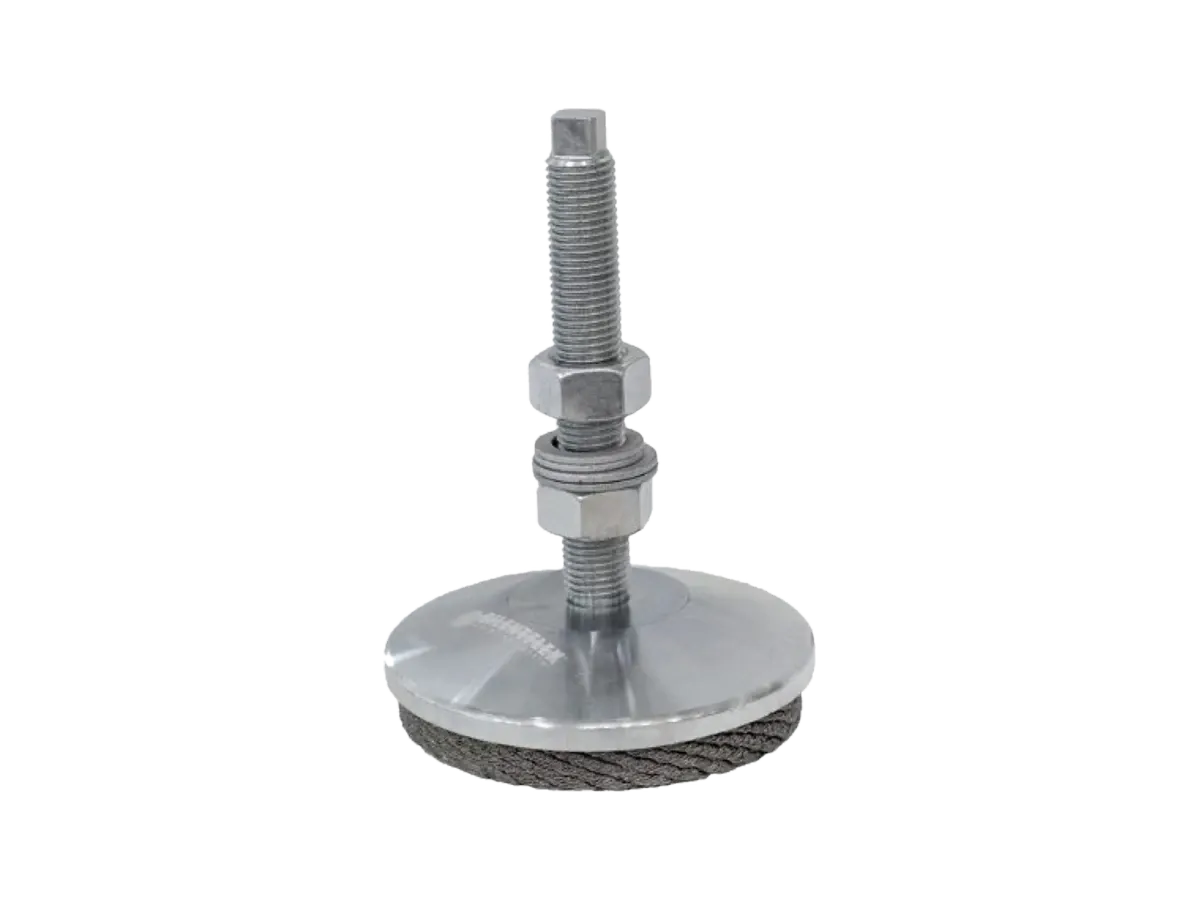
Machine levelling feet
- Load
- 25–7,000 kg
- Nat. freq.
- 15 Hz
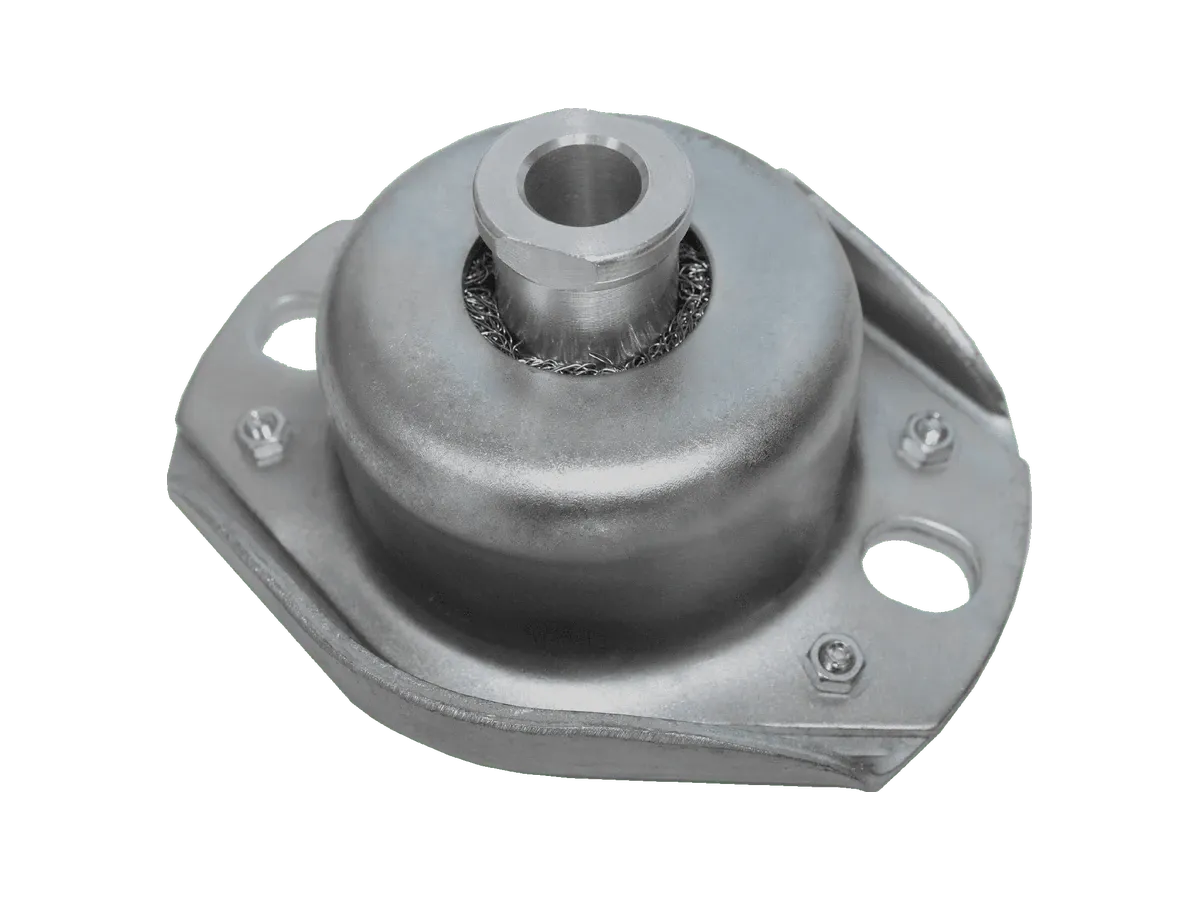
Stainless axial vibration mounts
- Load
- 70–1,400 kg
- Nat. freq.
- 15–25 Hz
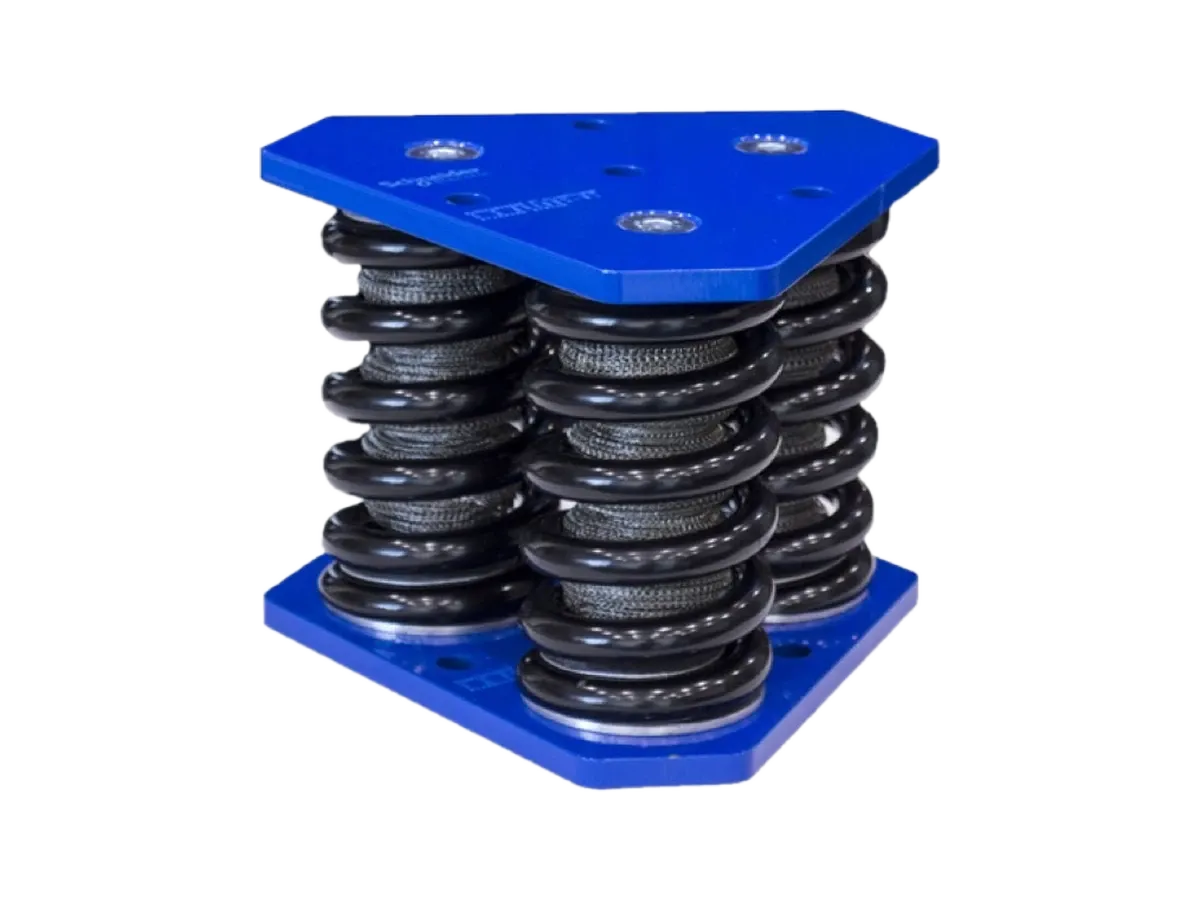
Spring isolator
- Load
- 390–8,760 kg
- Nat. freq.
- 3–9 Hz

Electronics and aeronautics vibration mount 7002
- Load
- 0.7–60 kg
- Nat. freq.
- 6–12 Hz
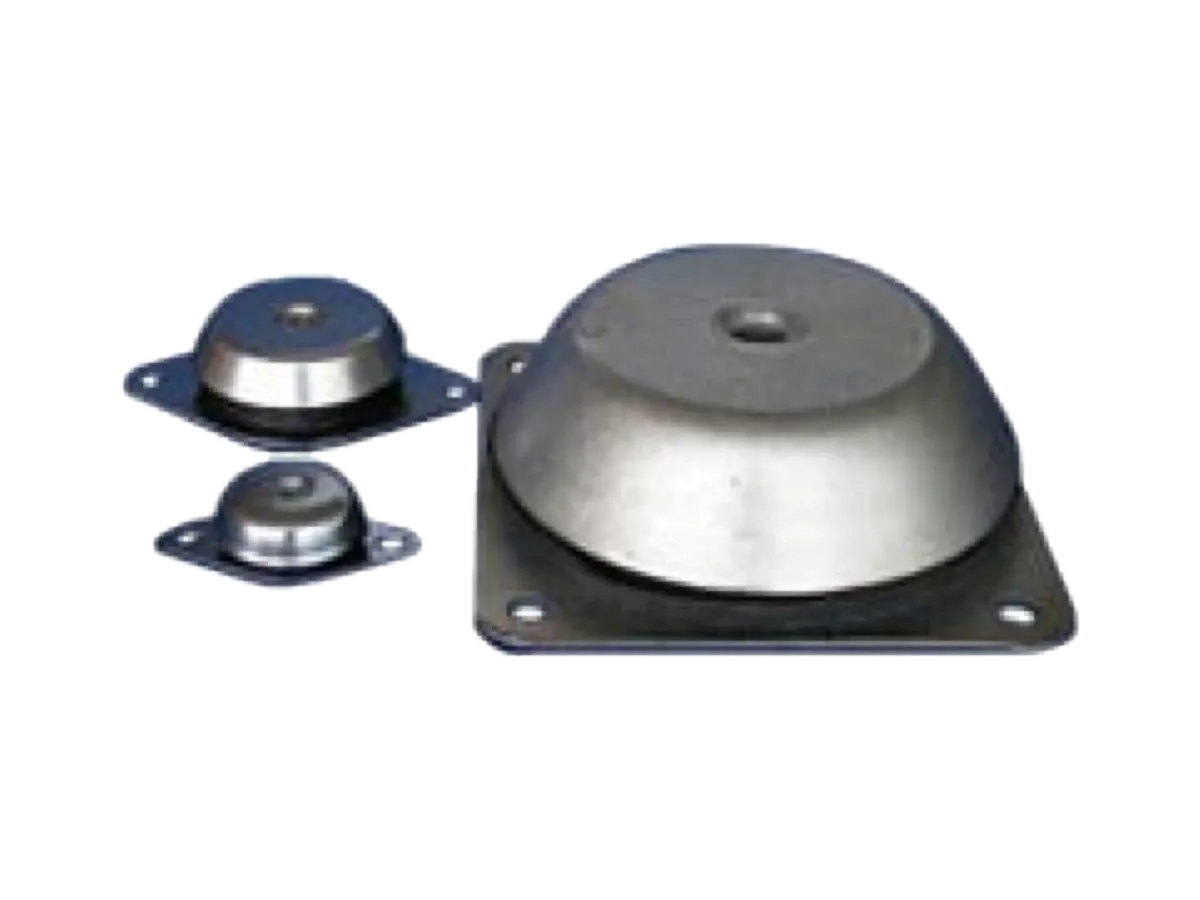
Square and oval base vibration mounts
- Load
- 42–5,000 kg
- Nat. freq.
- 15–20 Hz
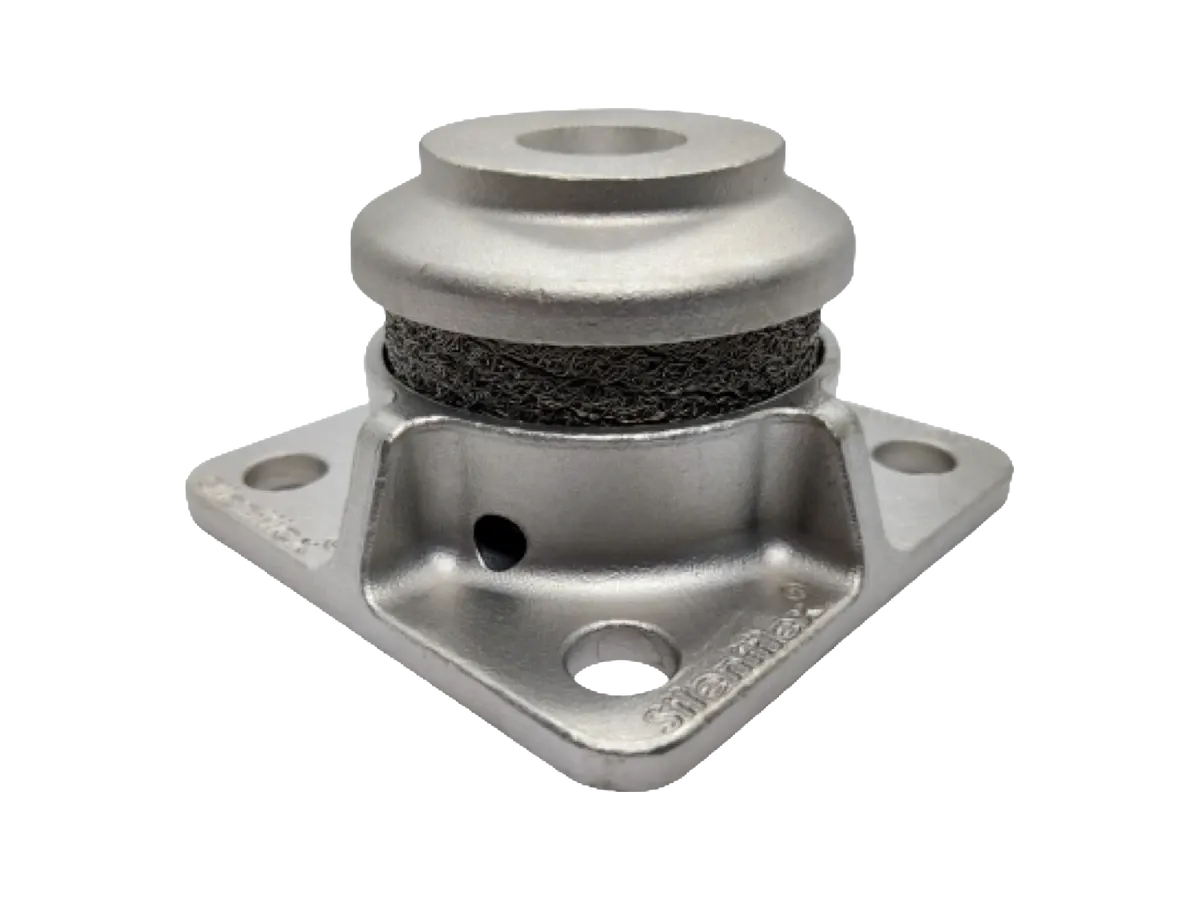
Vibration mounts S402
- Load
- 30–700 kg
- Nat. freq.
- 15–20 Hz
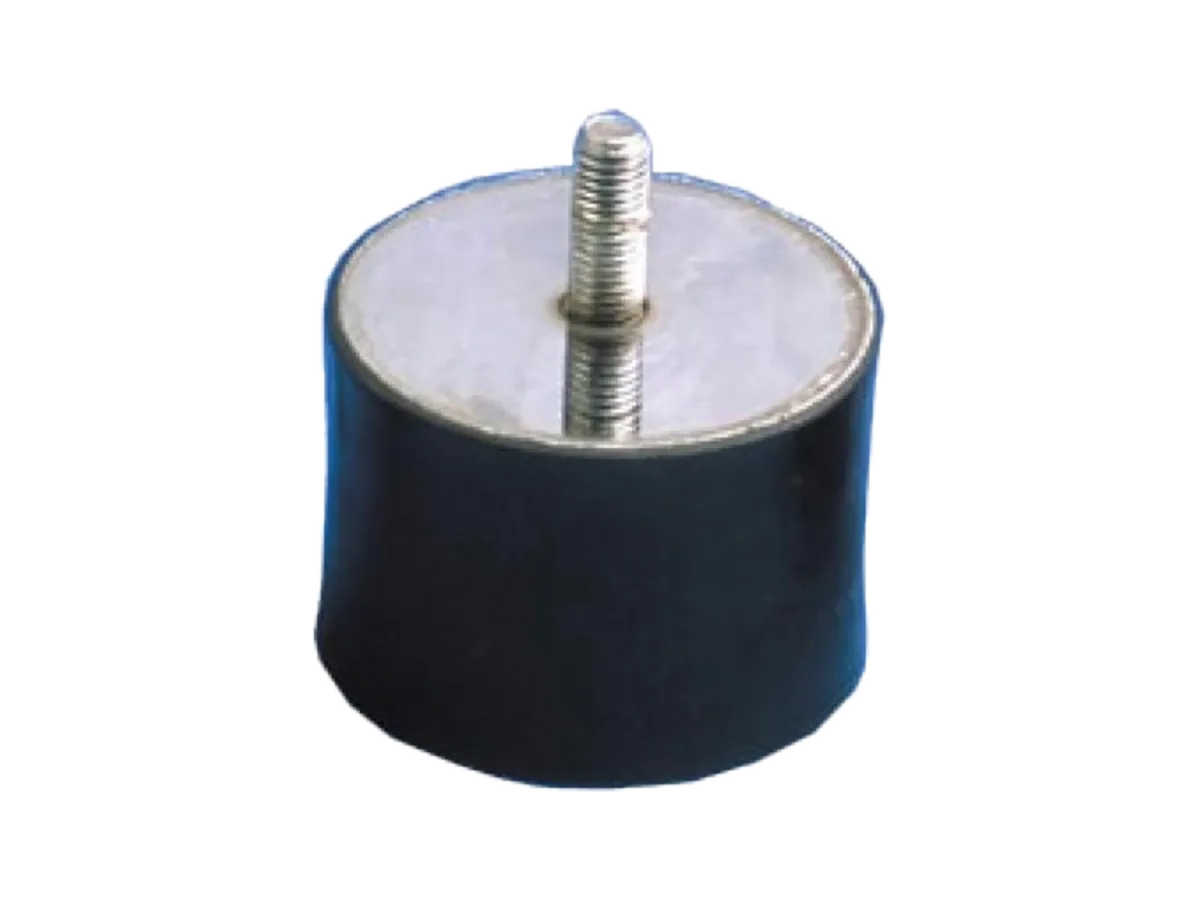
Cylindrical rubber buffer
- Load
- 2–30,500 kg
- Nat. freq.
- on request

Vibration mounts 954202-954203
- Load
- 50–7,000 kg
- Nat. freq.
- 11–22 Hz
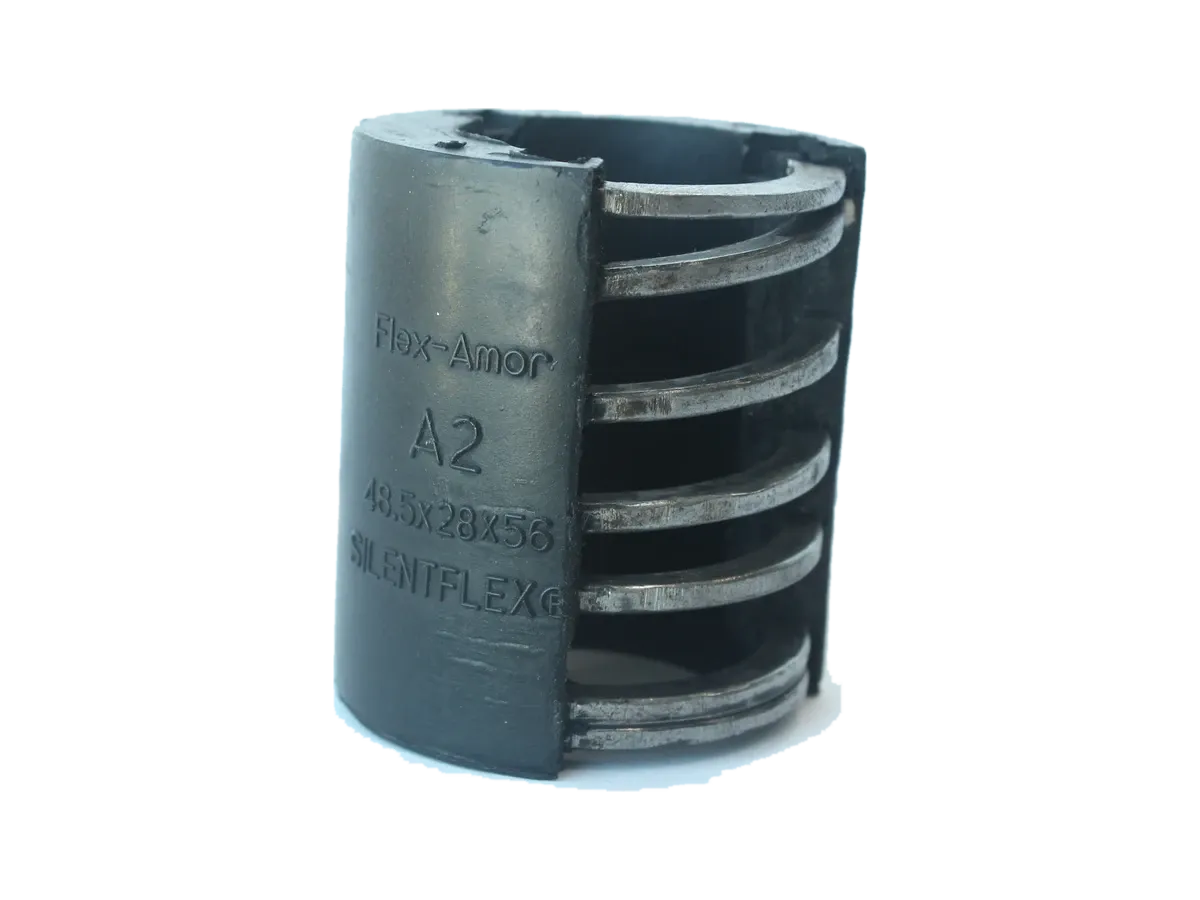
FLEXAMOR vibration mounts
- Load
- on request
- Nat. freq.
- on request
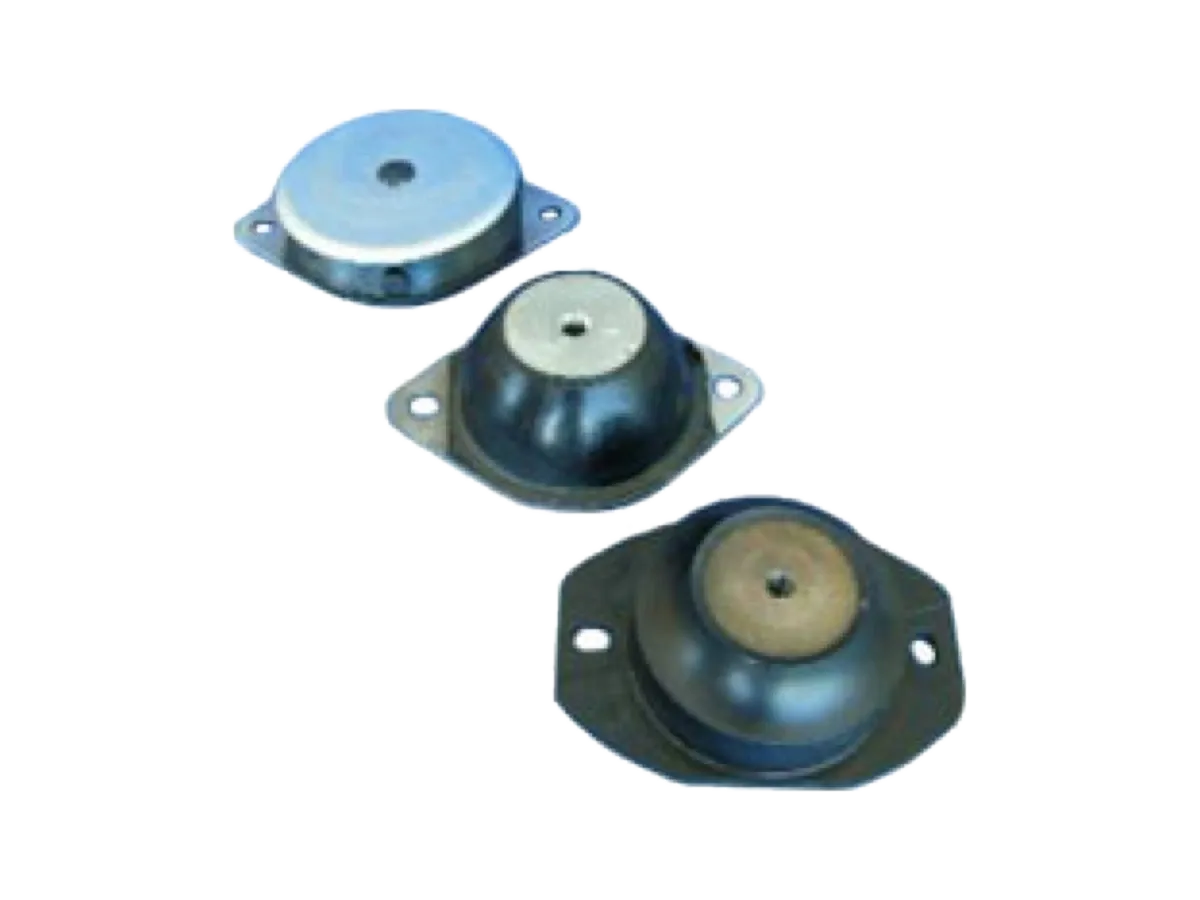
Equal-frequency vibration mount
- Load
- 4–3,125 kg
- Nat. freq.
- 2–8 Hz
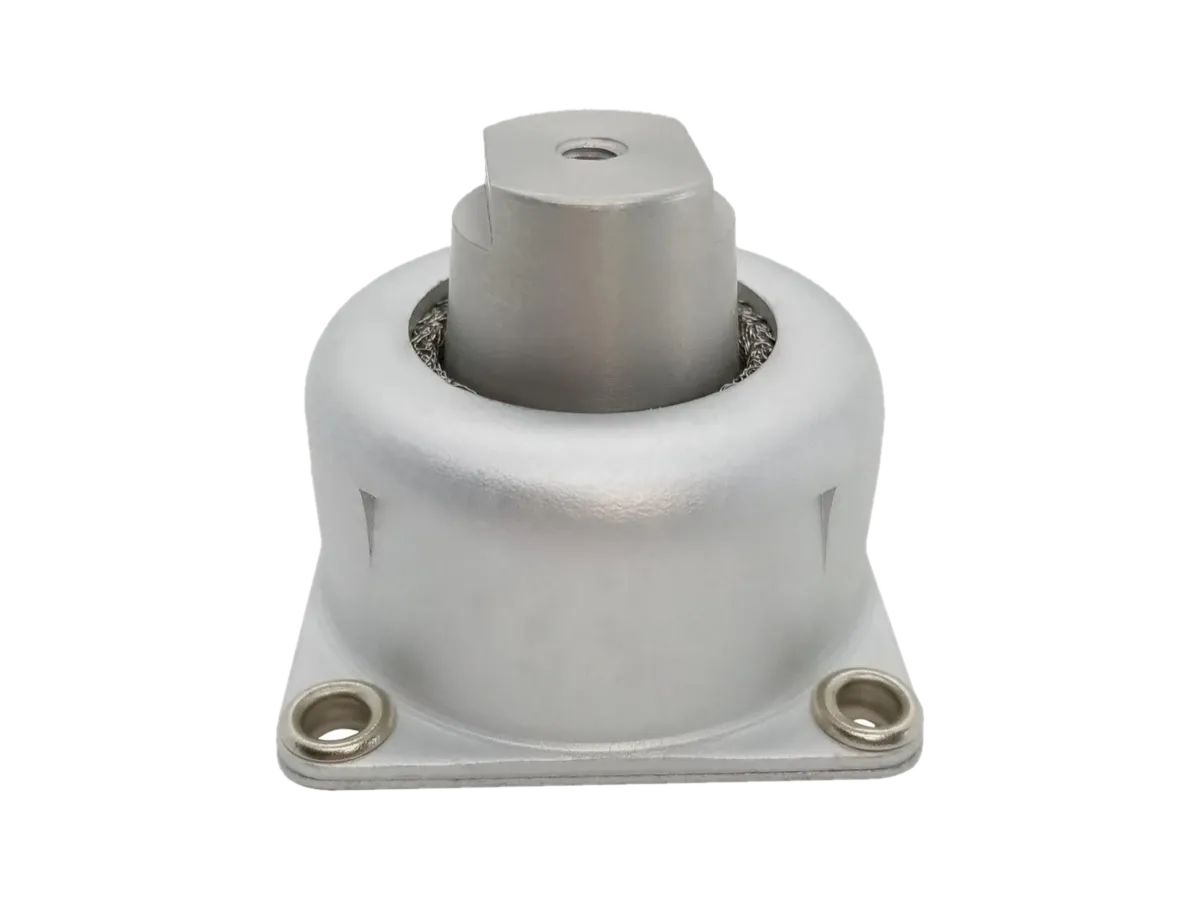
Electronics and aeronautics vibration mount 7001
- Load
- 0.3–4.5 kg
- Nat. freq.
- 6–12 Hz
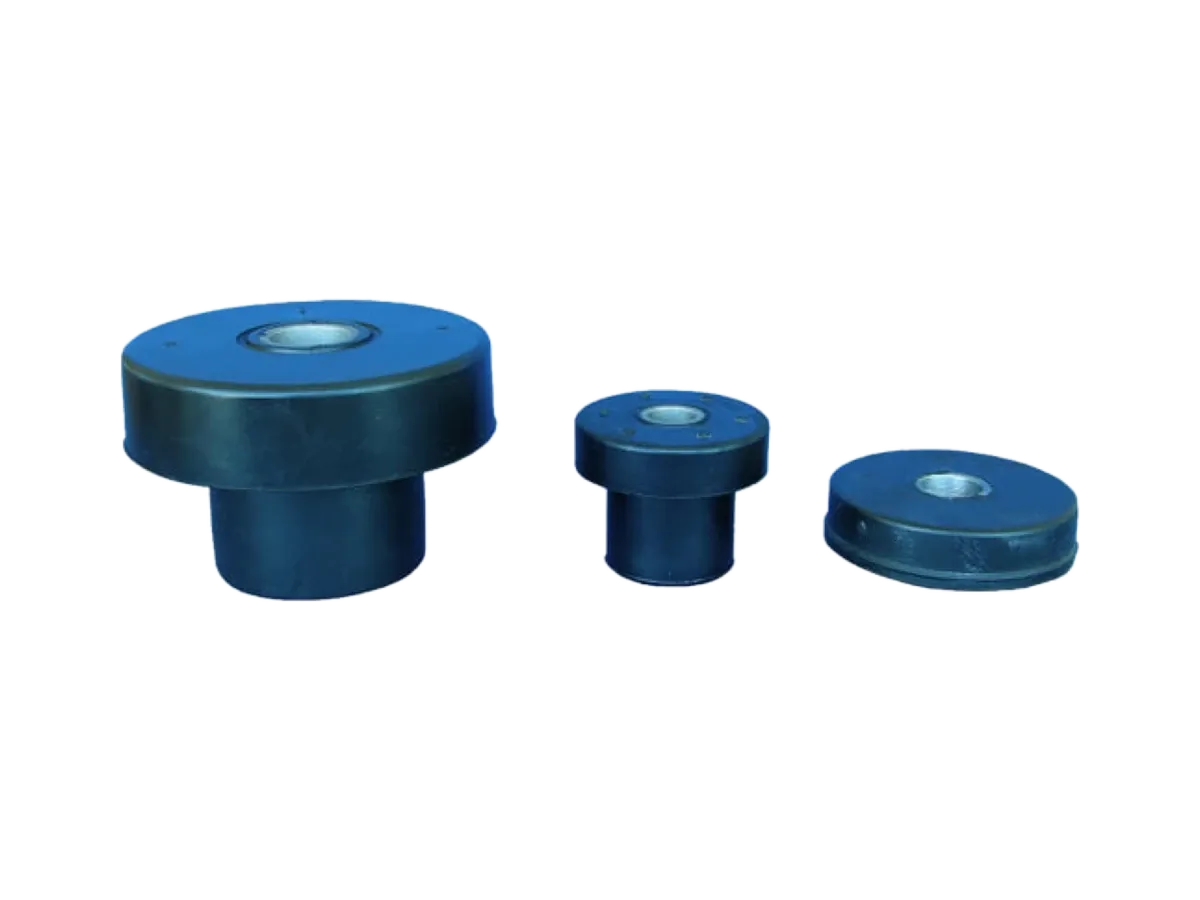
Resistant vibration mount type T
- Load
- 1–28 kg
- Nat. freq.
- 9 Hz

Sandwich vibration mounts
- Load
- 2,500–25,000 kg
- Nat. freq.
- 10 Hz
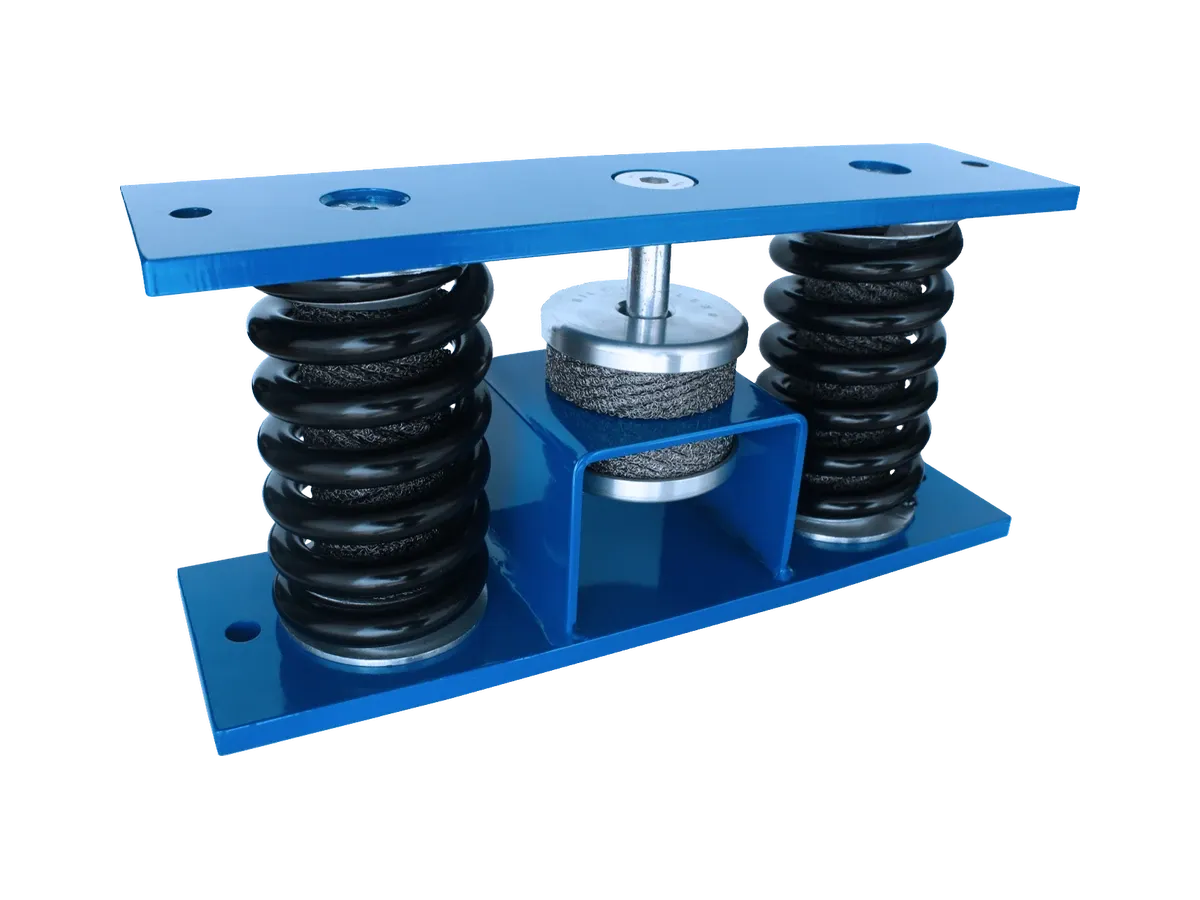
Double springs with retention
- Load
- 80–1,460 kg
- Nat. freq.
- 7–9 Hz
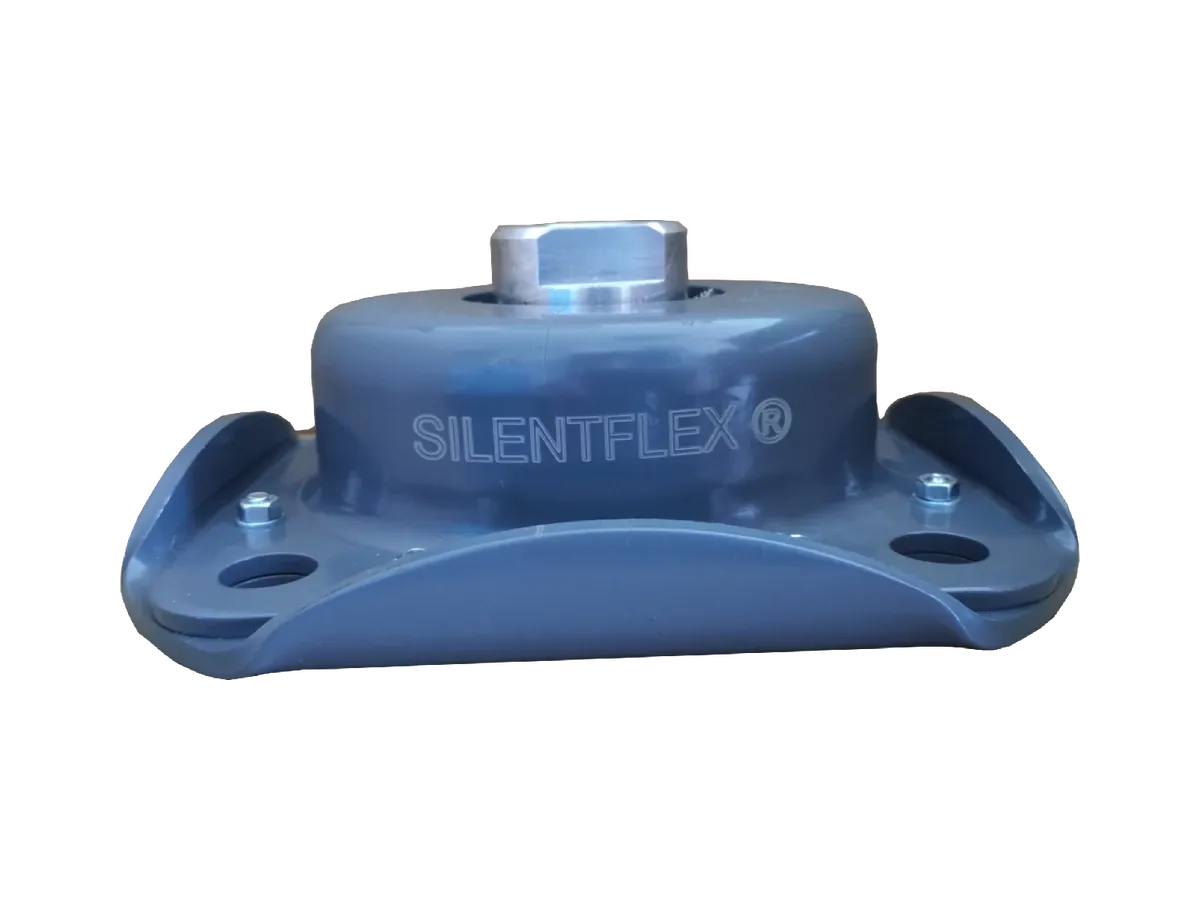
Vibration mounts 954412
- Load
- 1,000–3,000 kg
- Nat. freq.
- 15–20 Hz
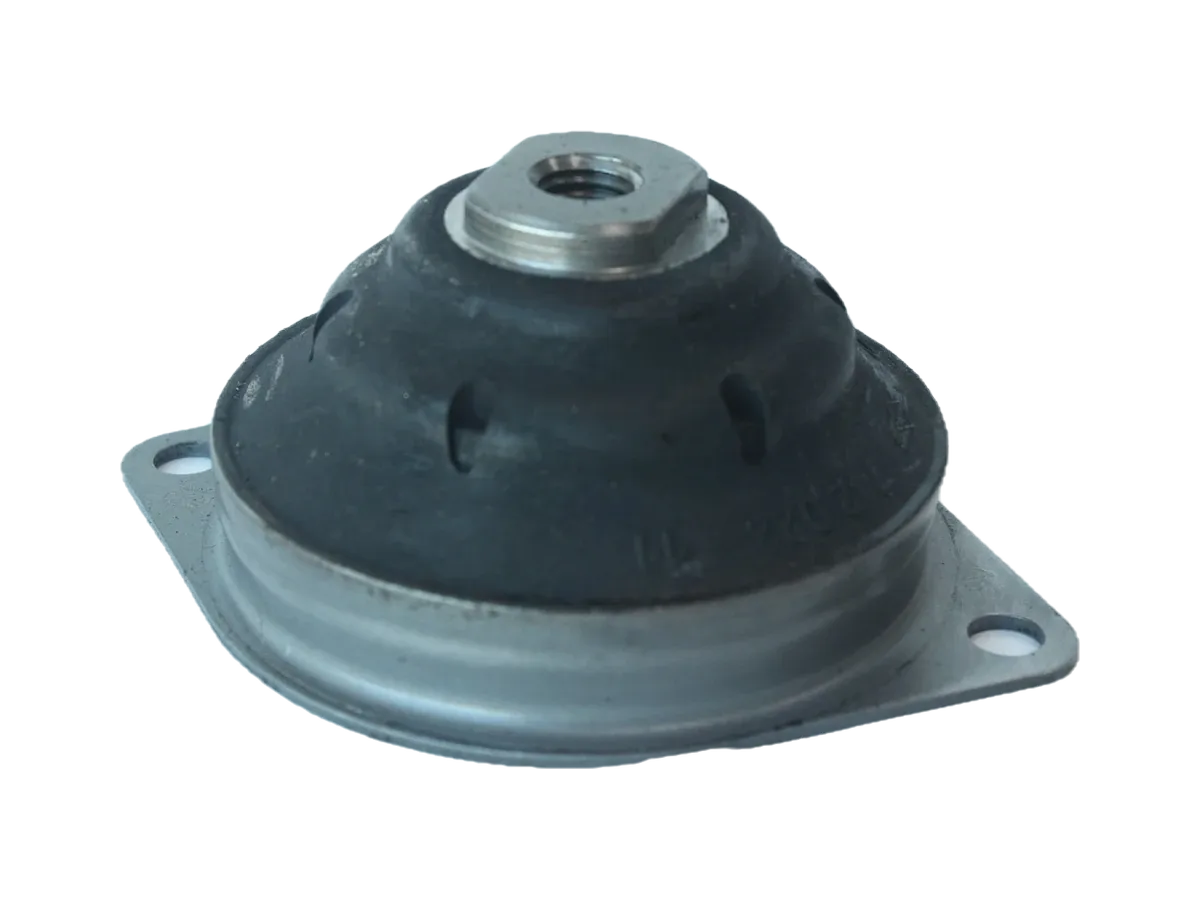
Axial BF rubber vibration mounts
- Load
- 80–114 kg
- Nat. freq.
- 5 Hz
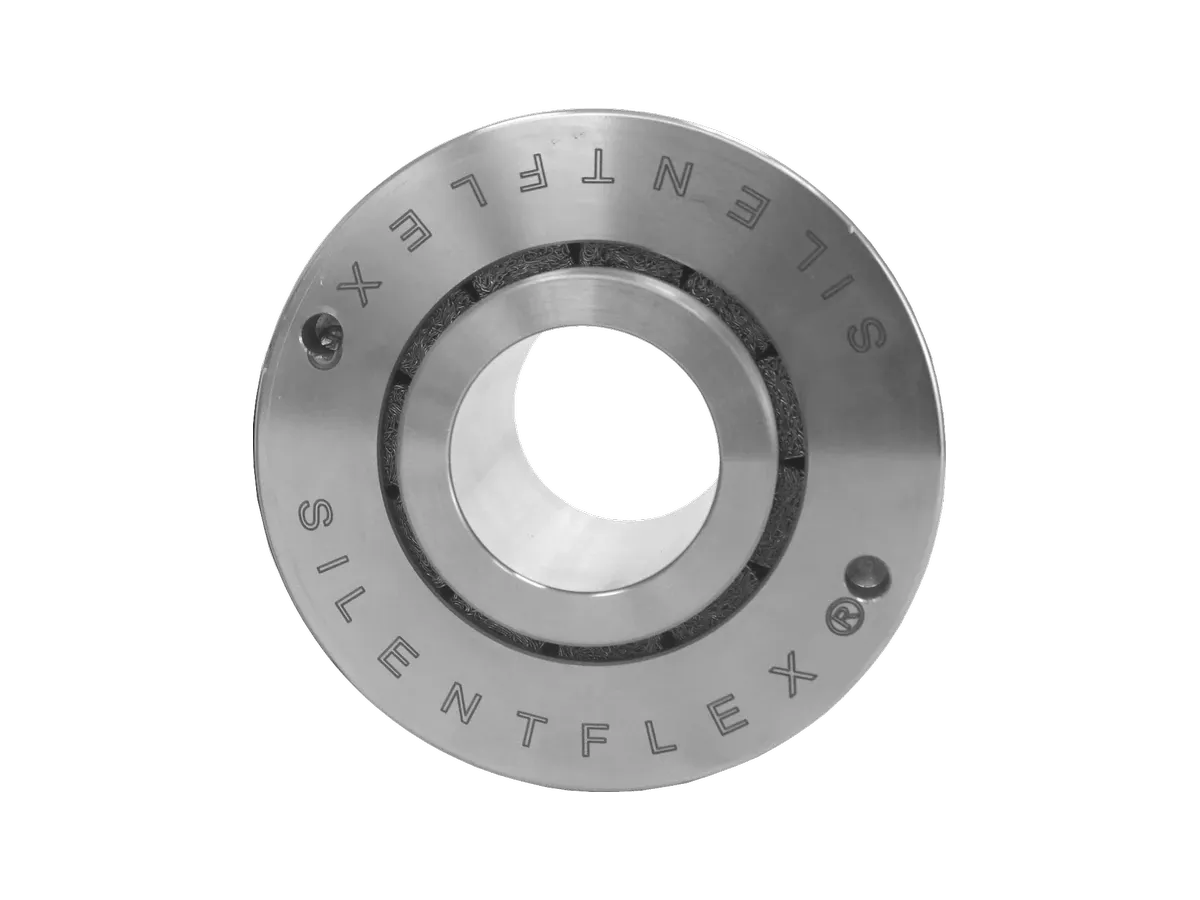
All-metal flexible bush
- Load
- 200–1,100 kg
- Nat. freq.
- 25–40 Hz
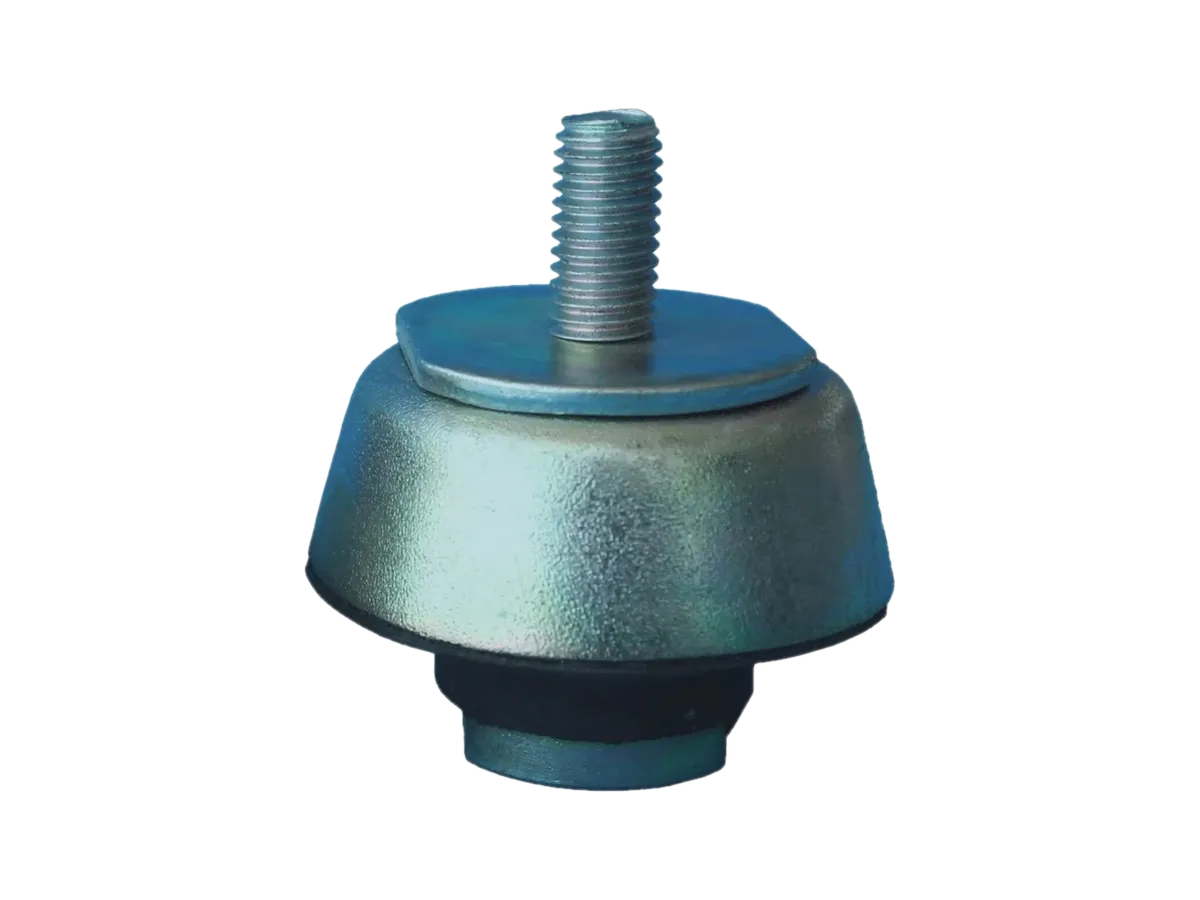
Axial rubber vibration mounts
- Load
- 40–135 kg
- Nat. freq.
- 5–8 Hz
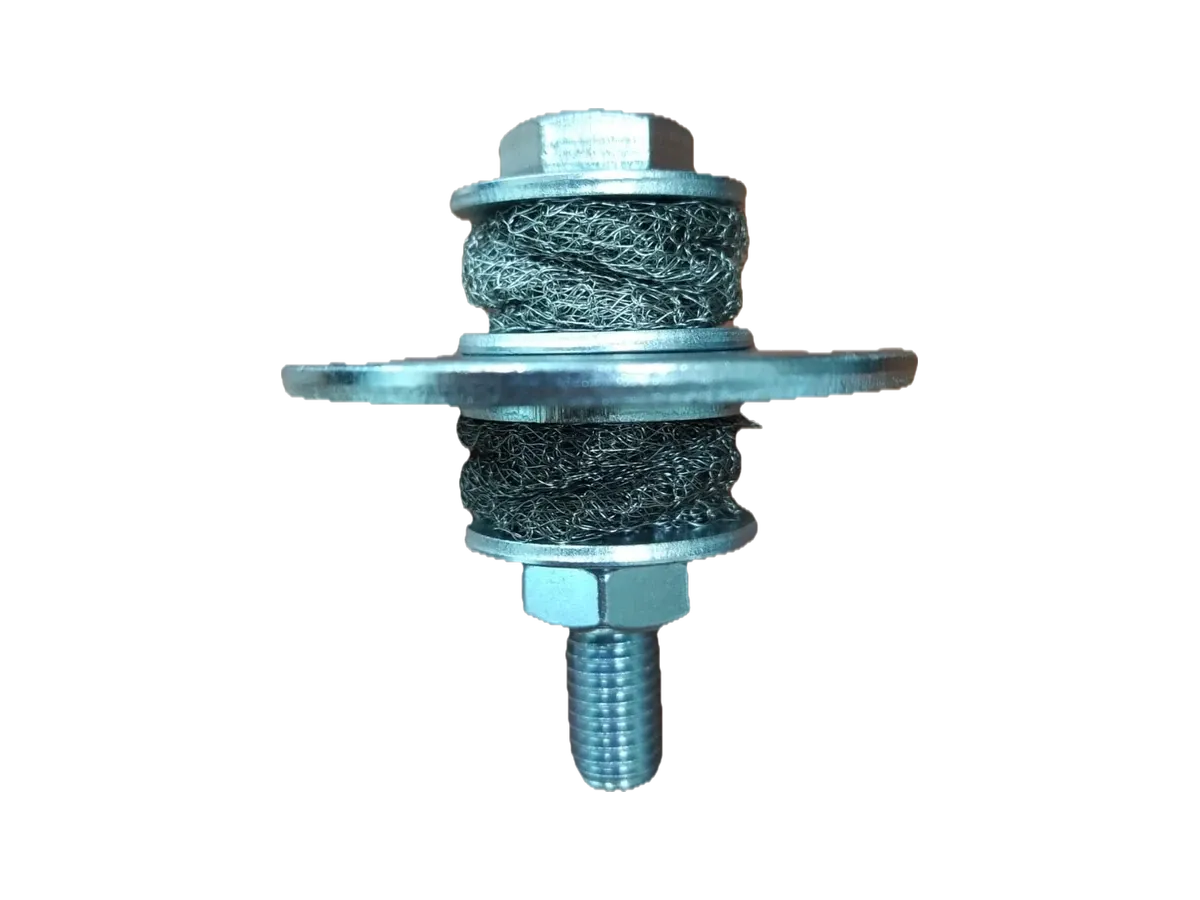
Lightweight vibration mount SP52-497
- Load
- 2.5–4.5 kg
- Nat. freq.
- 15–20 Hz
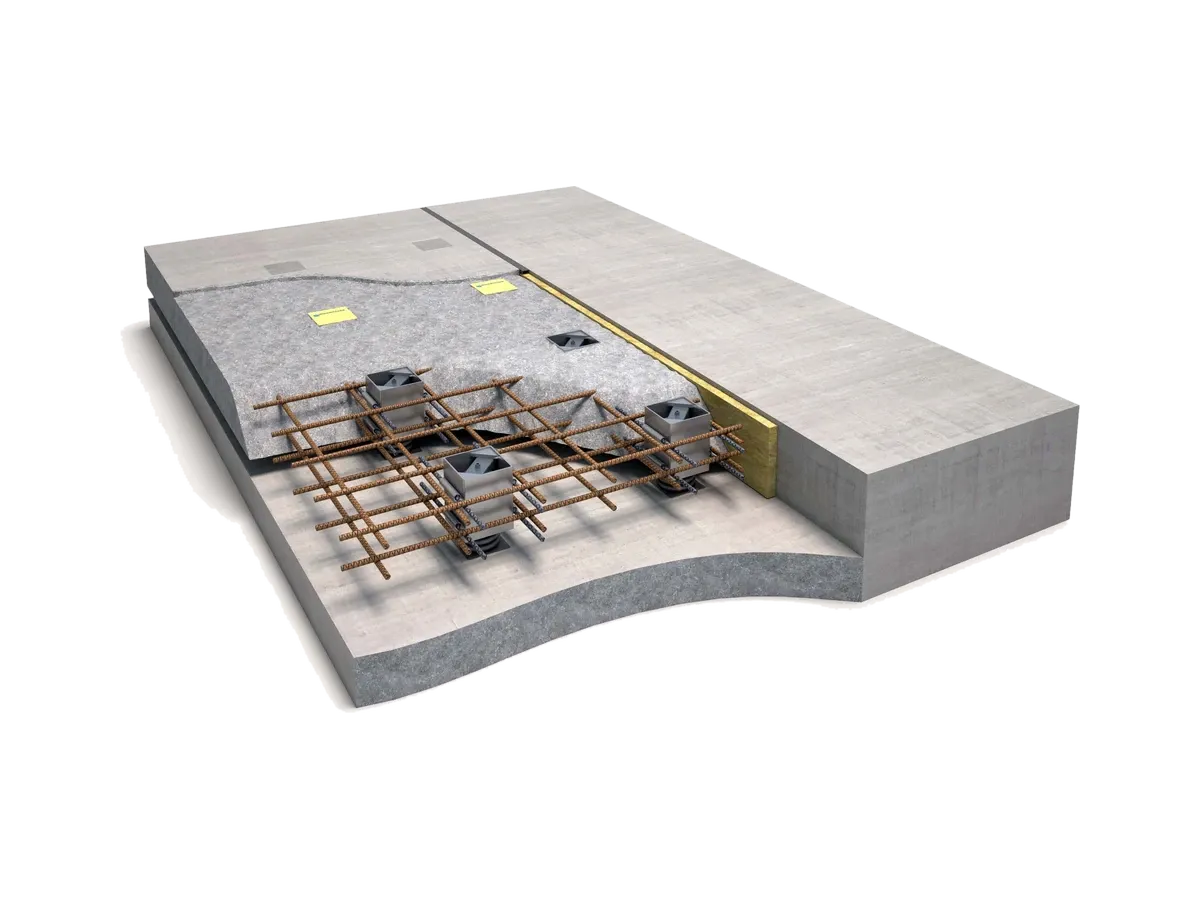
Anti-vibration floating slab
- Load
- on request
- Nat. freq.
- 1–4.5 Hz

Container Pad Seismic Vibration Isolator
- Load
- 100–10,000 kg
- Nat. freq.
- 3–9 Hz
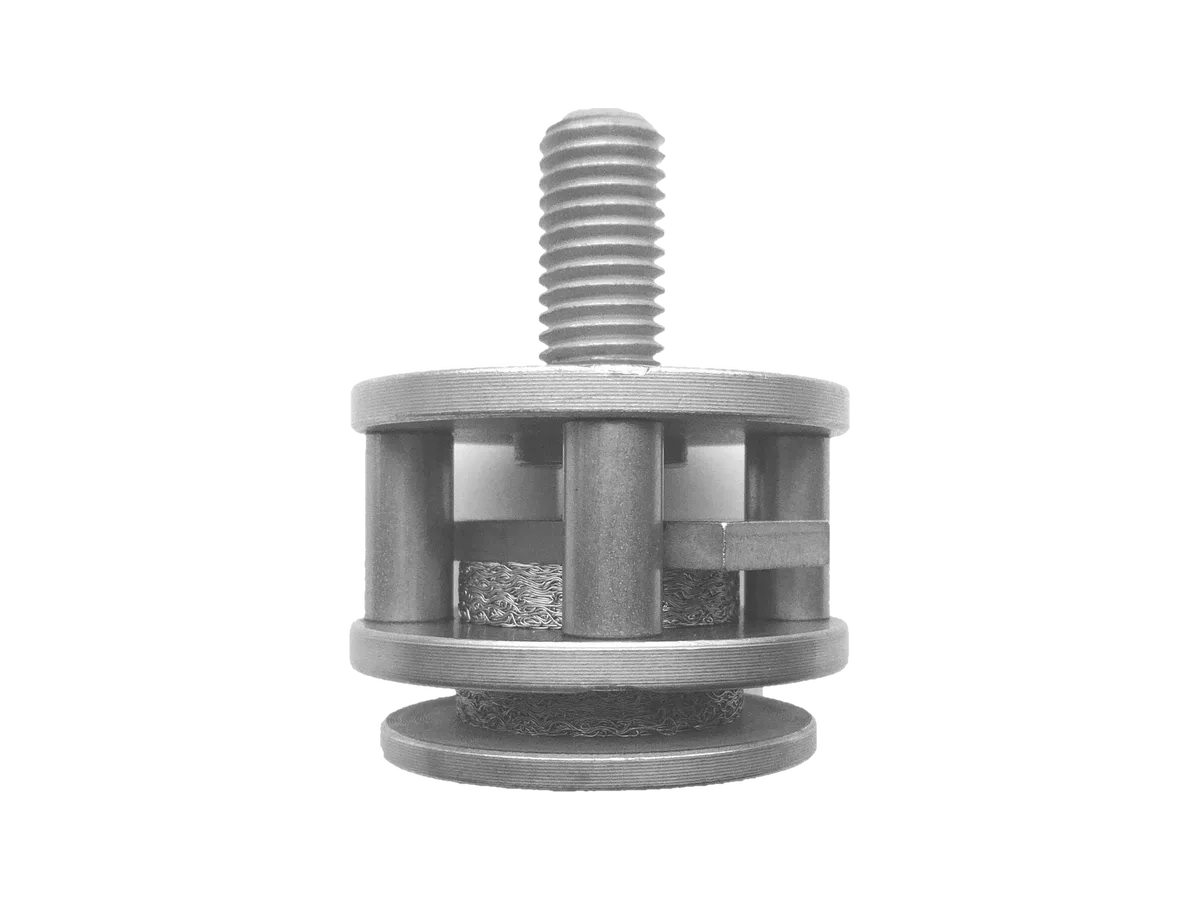
Damper for train tables and seats
- Load
- on request
- Nat. freq.
- on request
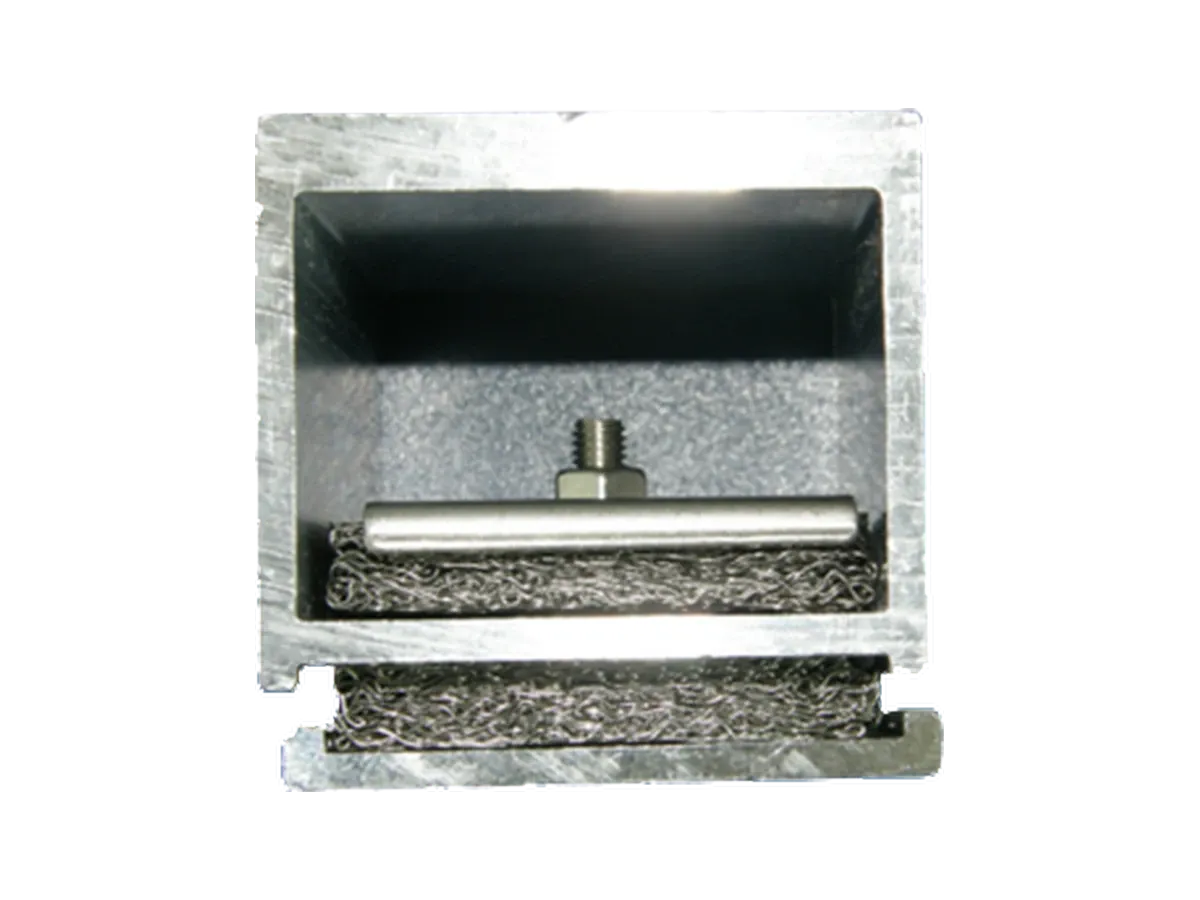
Floor shock absorber for high-speed trains
- Load
- 20–80 kg
- Nat. freq.
- 25–40 Hz

Oval base metallic silentblock
- Load
- 20–50 kg
- Nat. freq.
- 40–60 Hz
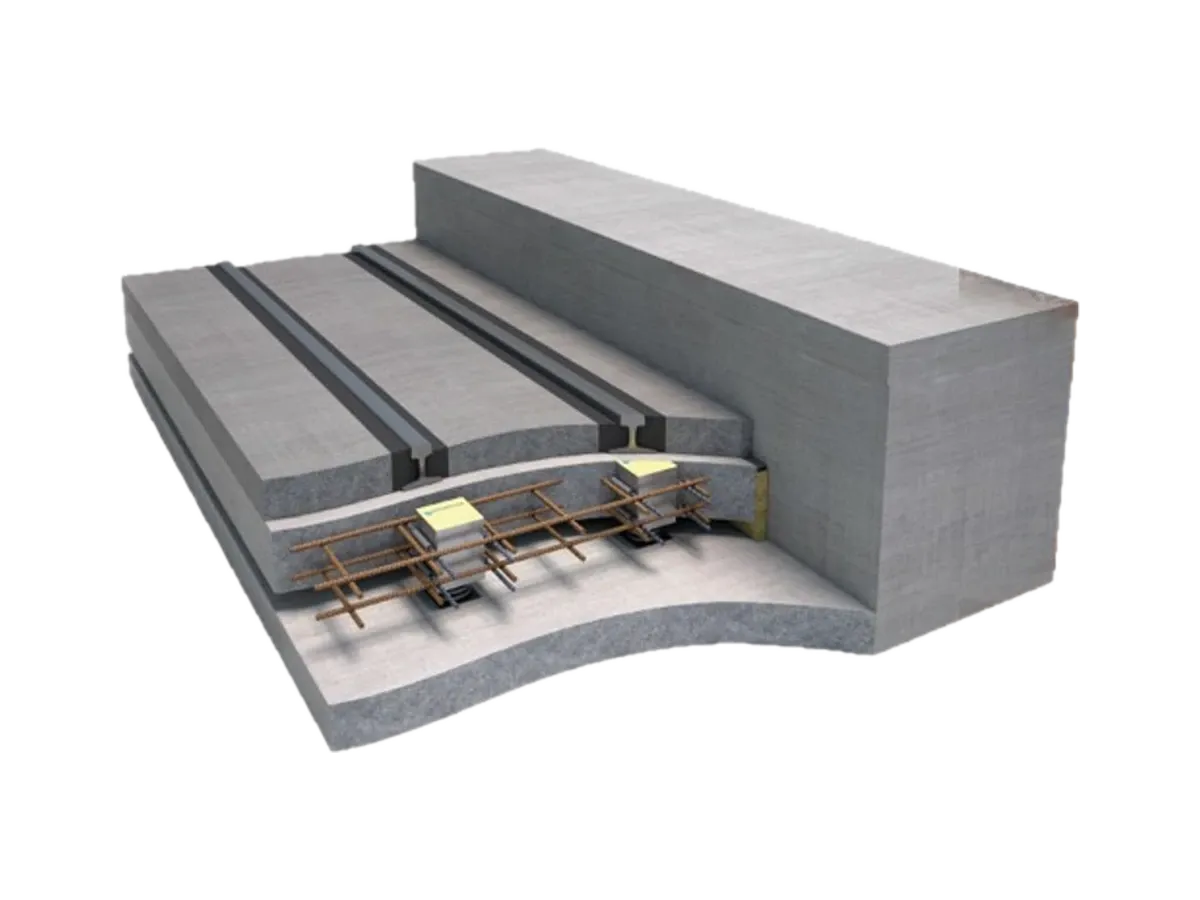
SilentRail, railway floating slab
- Load
- on request
- Nat. freq.
- on request
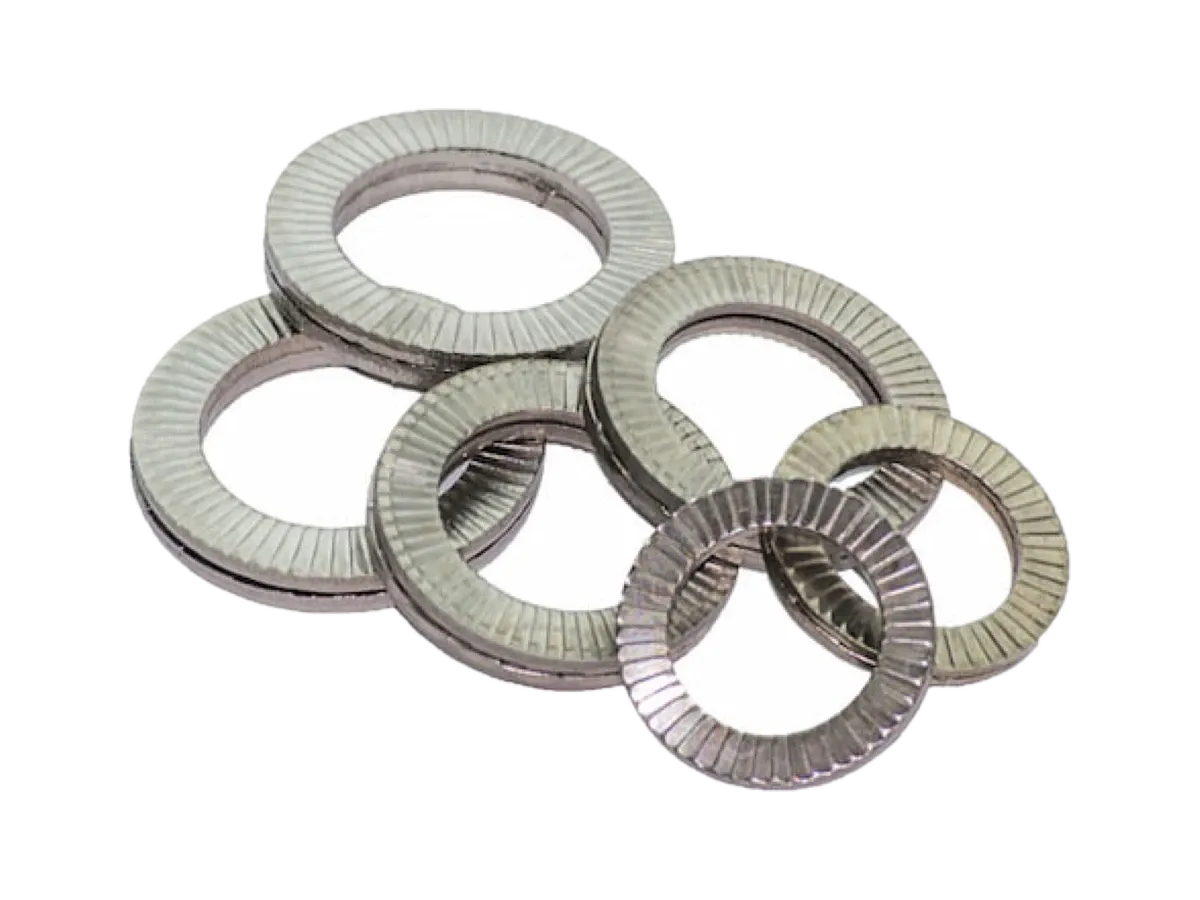
VIBRALOCK washer
- Load
- on request
- Nat. freq.
- on request
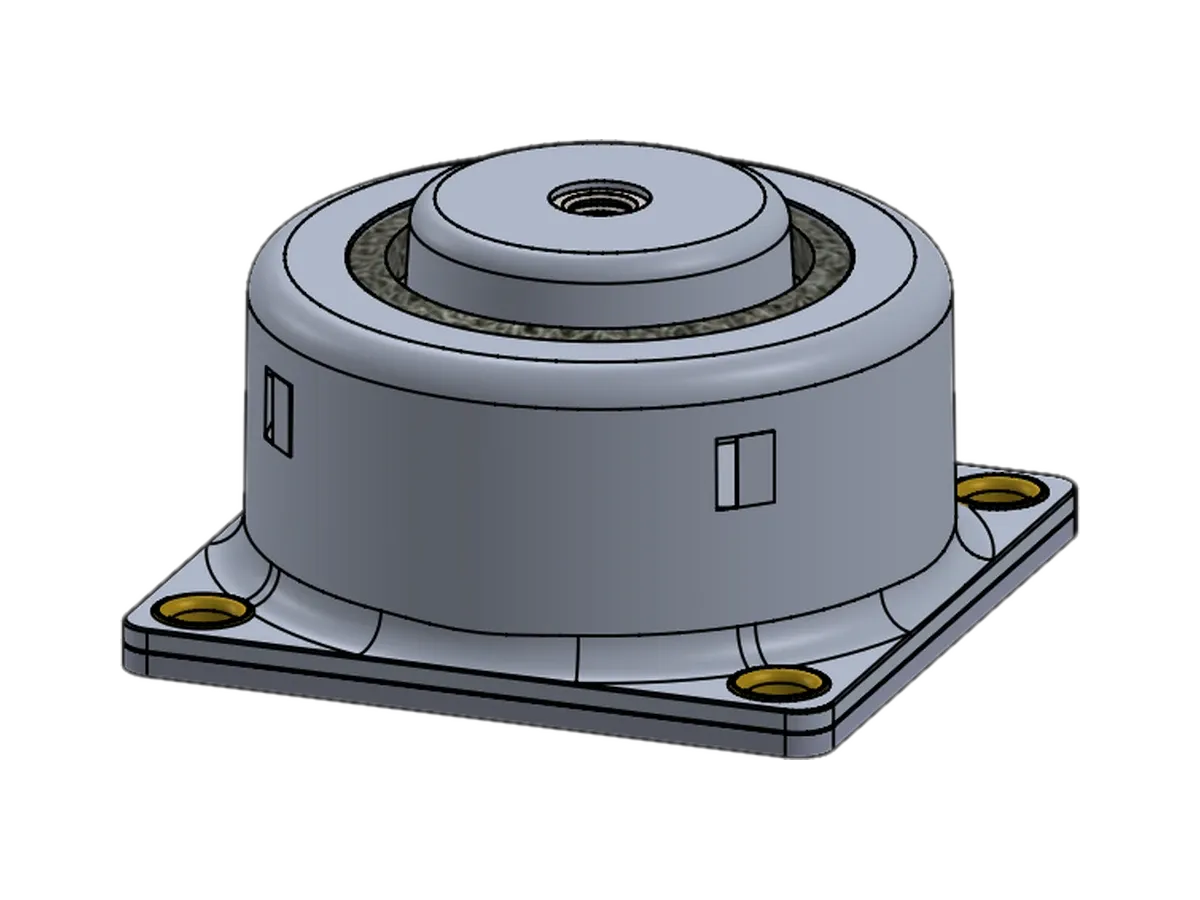
Vibration mount 1202 / 914
- Load
- 1–60 kg
- Nat. freq.
- 15–25 Hz
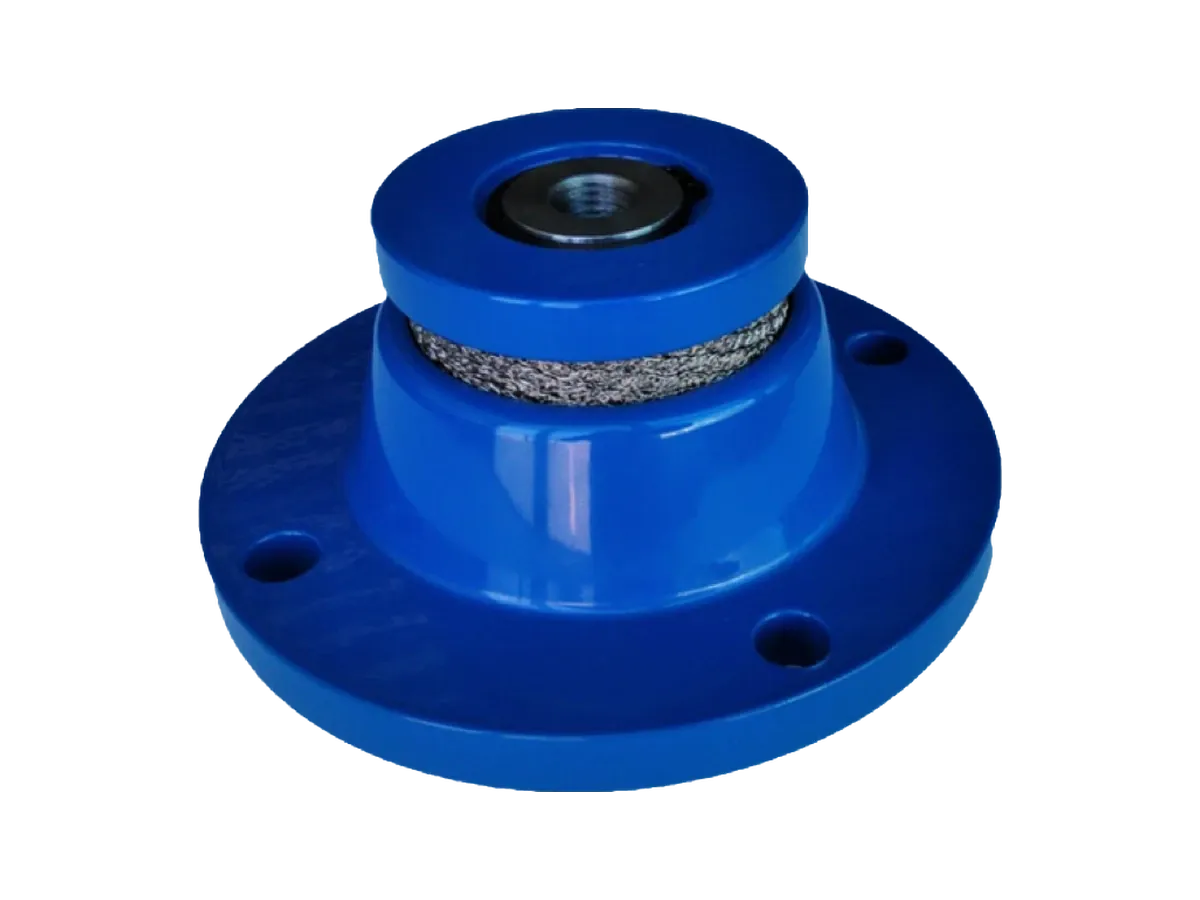
Vibration mounts 954201
- Load
- 50–900 kg
- Nat. freq.
- 18–25 Hz
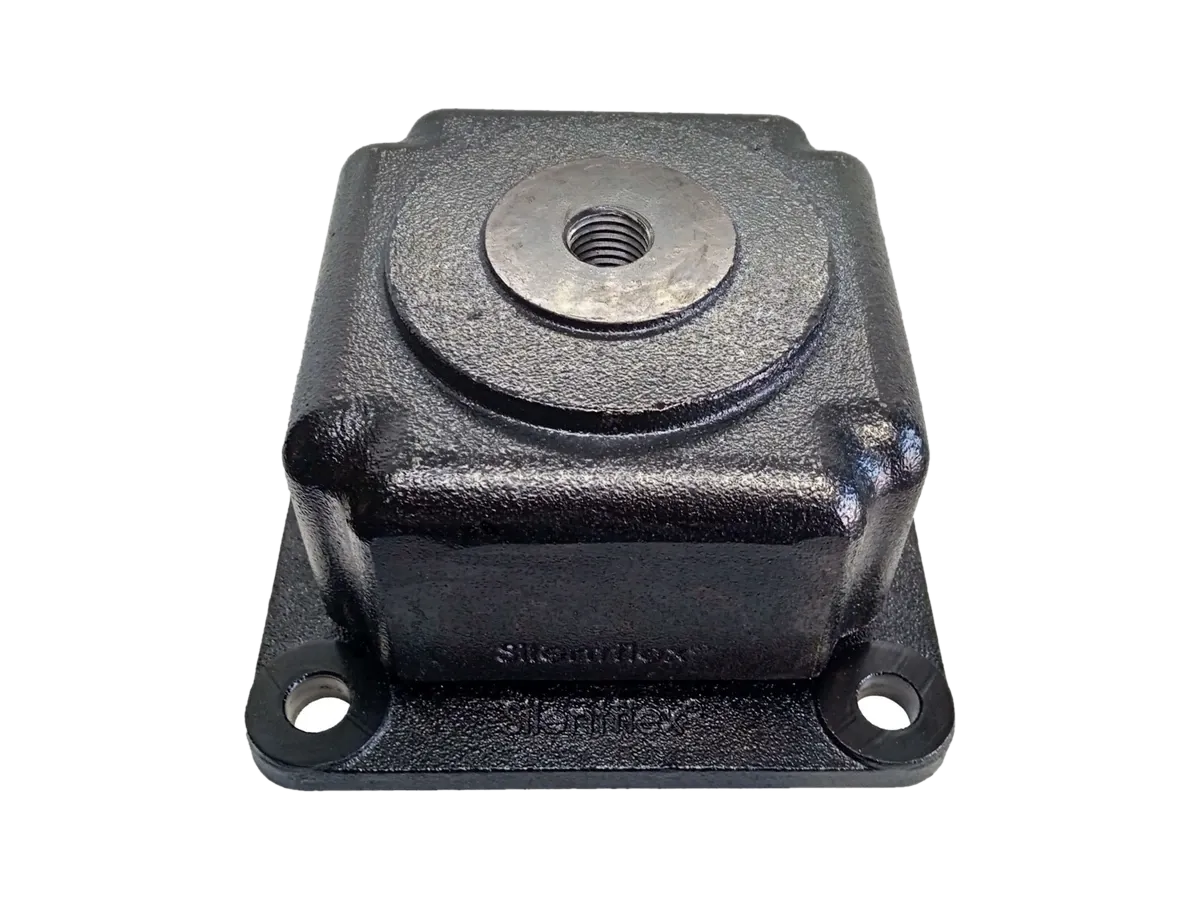
Vibration mounts 954416
- Load
- 350–3,000 kg
- Nat. freq.
- 15–25 Hz
By equipment
Pick the machine or equipment you want to isolate and see which mounts are used.
Where it has been installed · Railway
3 projects in 2 countries
Projects for this application around the world. Click a point to see its story.
- projects
- 3
- countries
- 2
Case studies · Railway
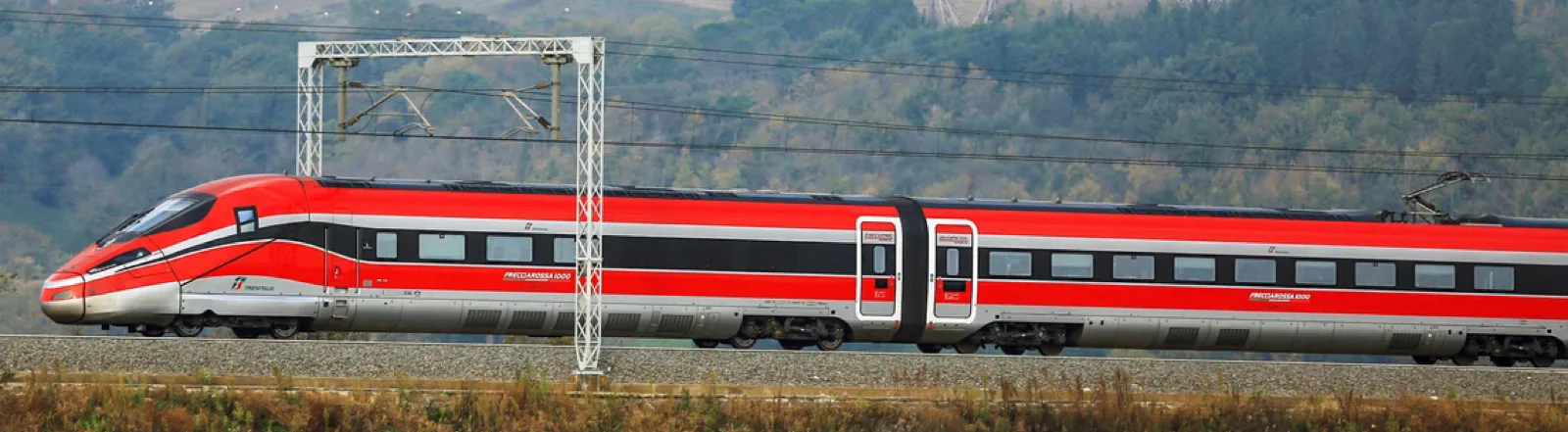

 Italy
Not sure which mount you need?
Our calculator tells you in 30 seconds.